Overview: Dry Tortugas National Park should be on every birder's bucket list. Camp there for a few days, if you can. Make it a day trip if you can't. It's not the easiest place to visit, but by all means try. The park itself is a collection of seven small islands about 70 miles west of Key West (the address above is actually Everglades National Park, which oversees Dry Tortugas). You get there by air or by boat. The Yankee Freedom ferry makes the trip once a day; seaplanes fly in several times a day. Both operate out of Key West.
If birding isn't your thing, there are the coral reefs that surround the islands and make for some of the best snorkeling in Florida if not all of North America. And then there is the history of the place, which extends back through the early Spanish explorers through the Second World War.
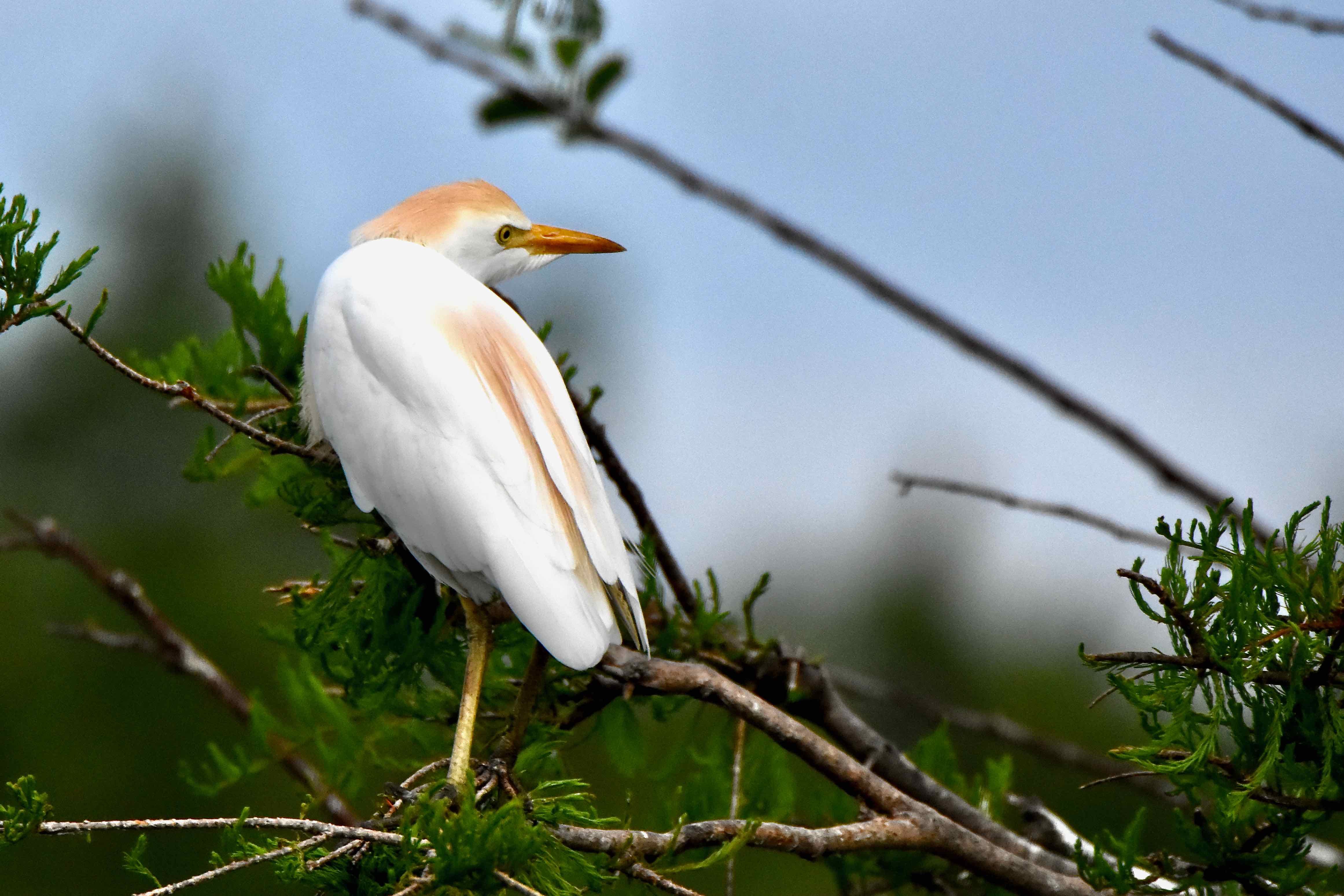
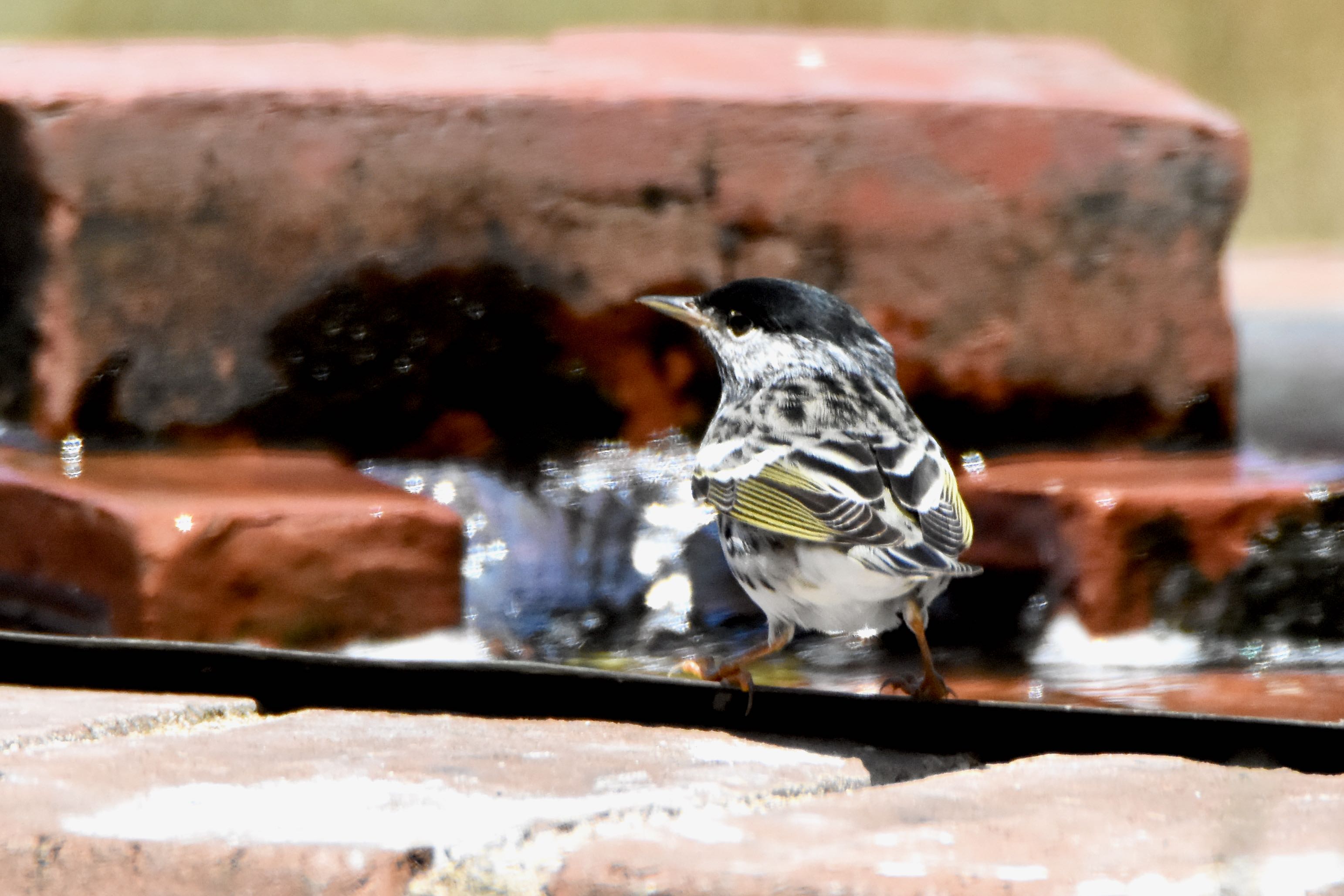
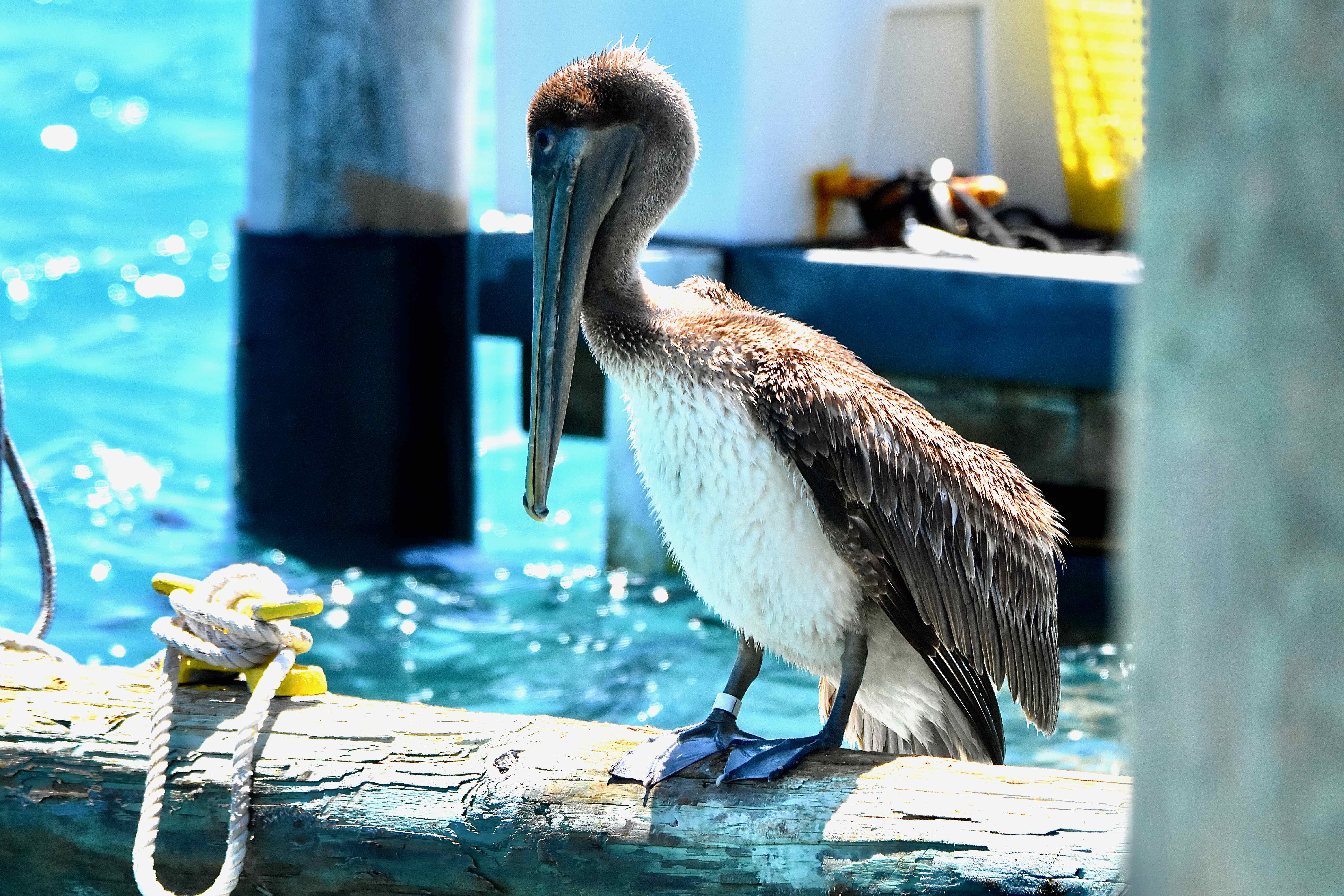
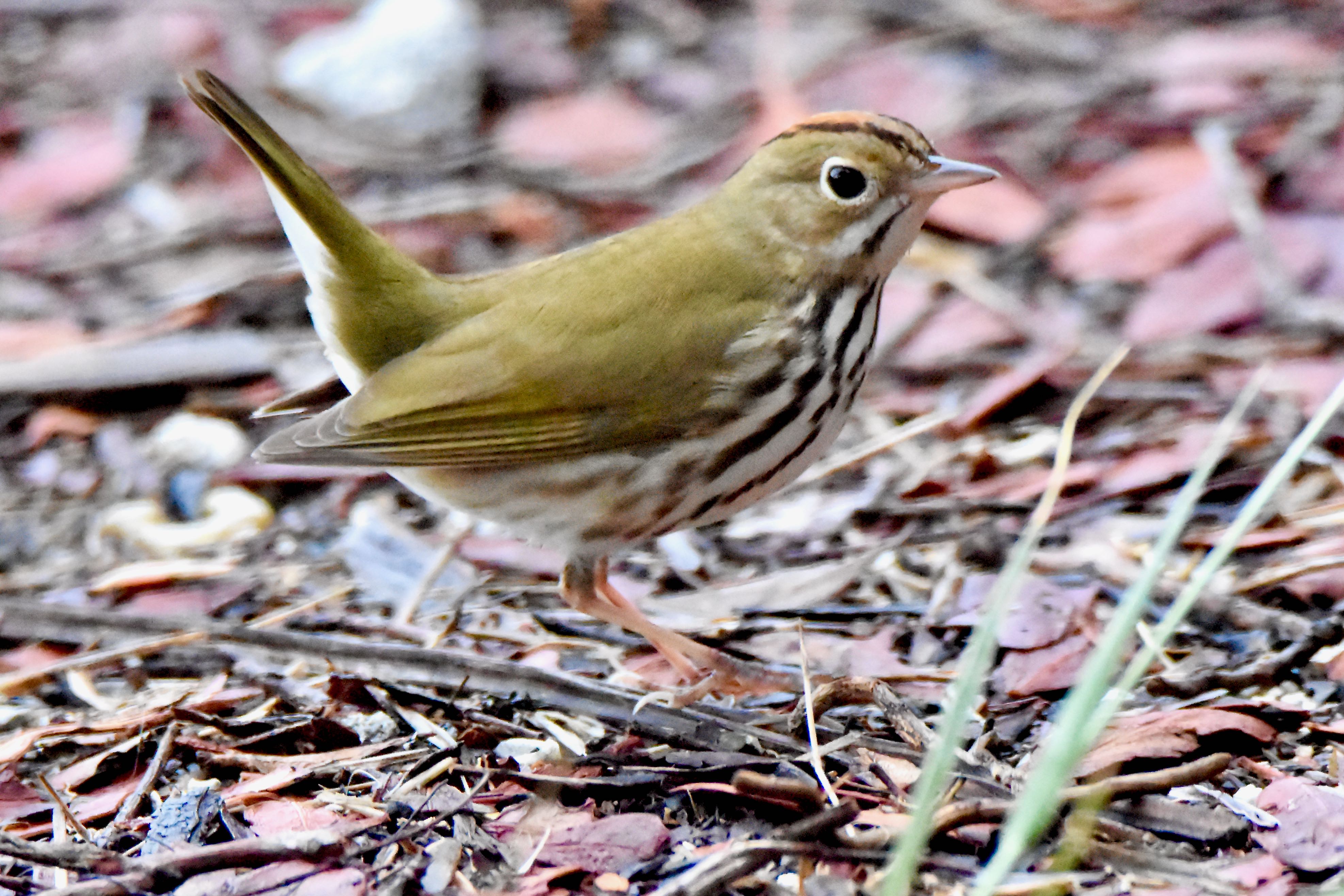
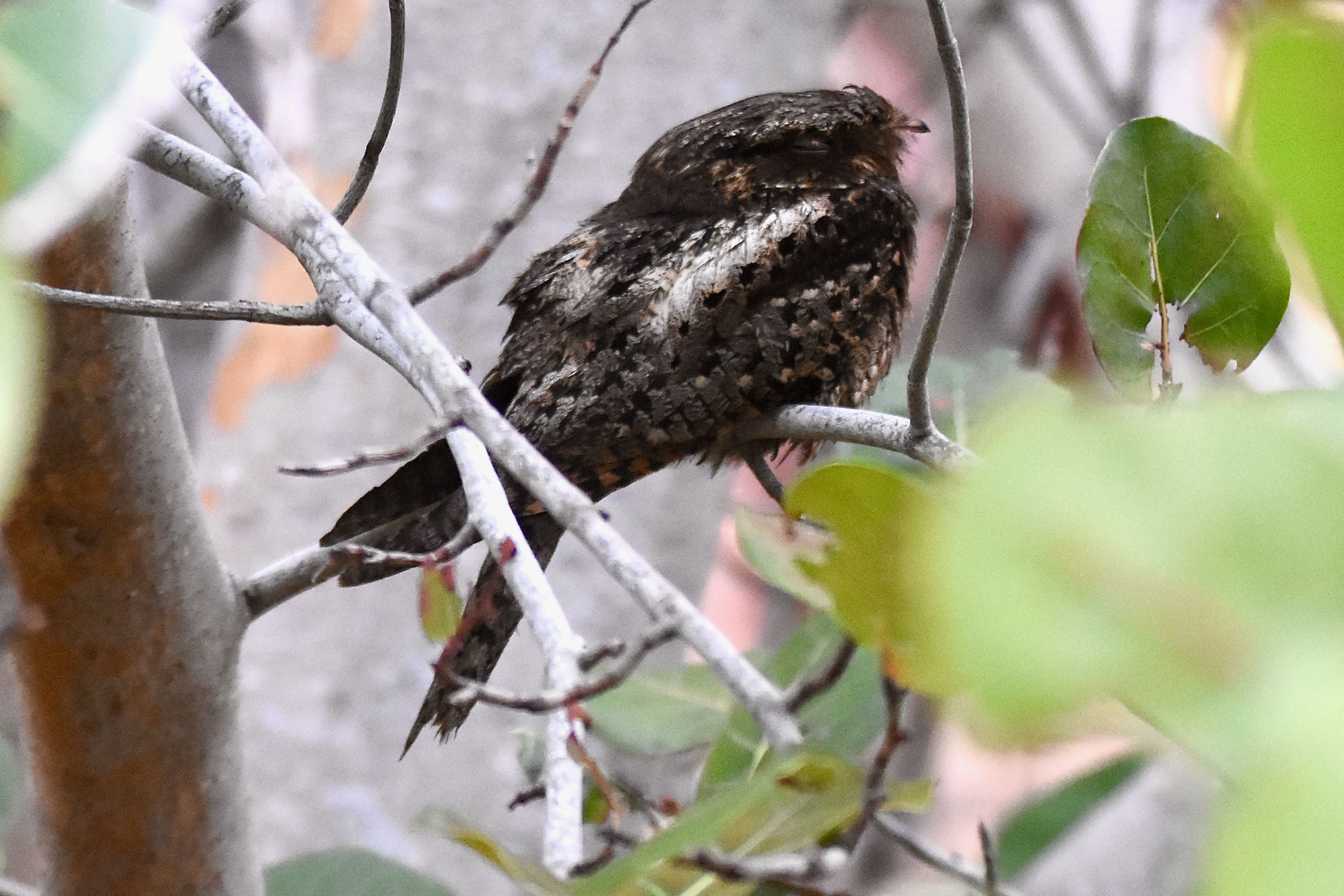
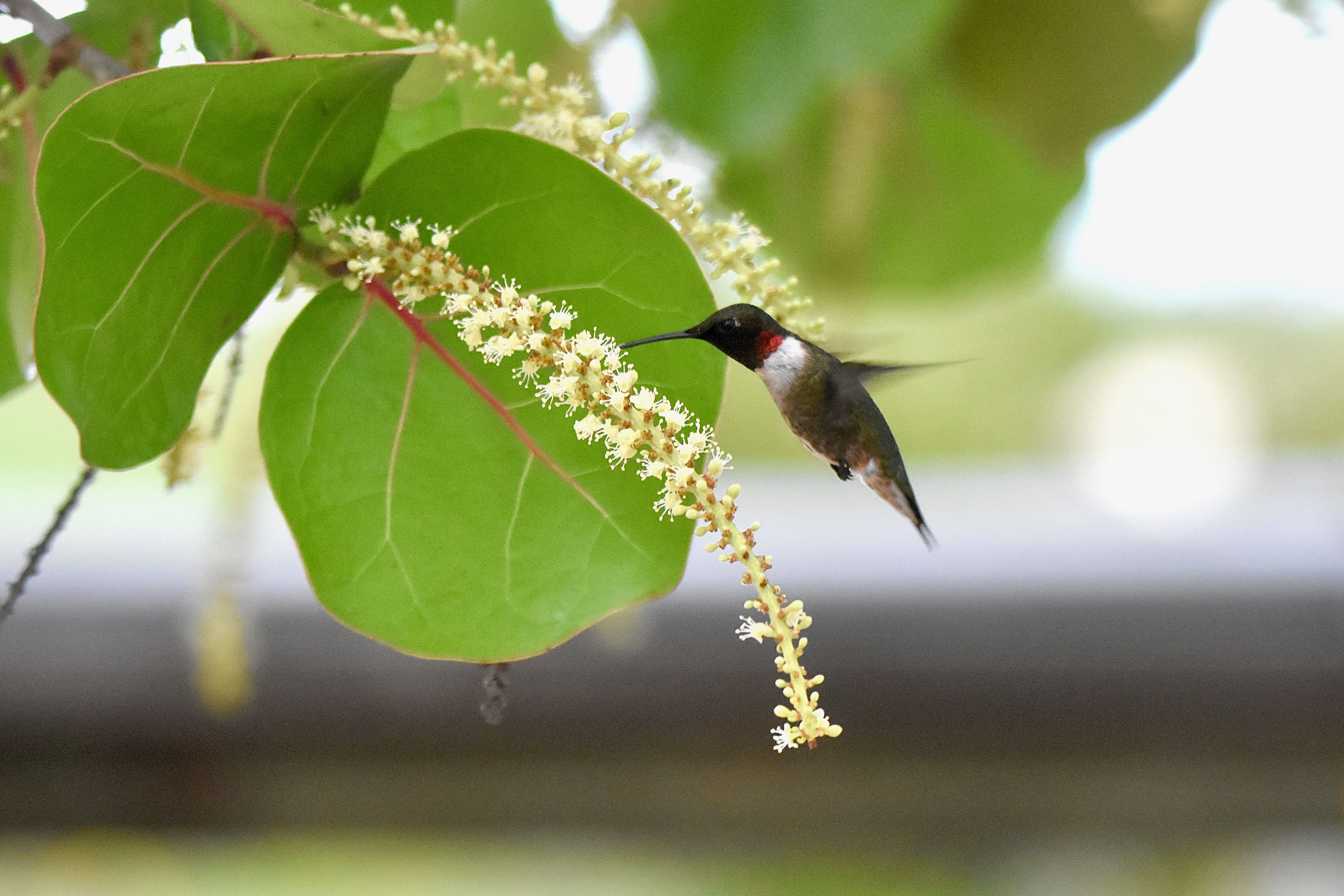
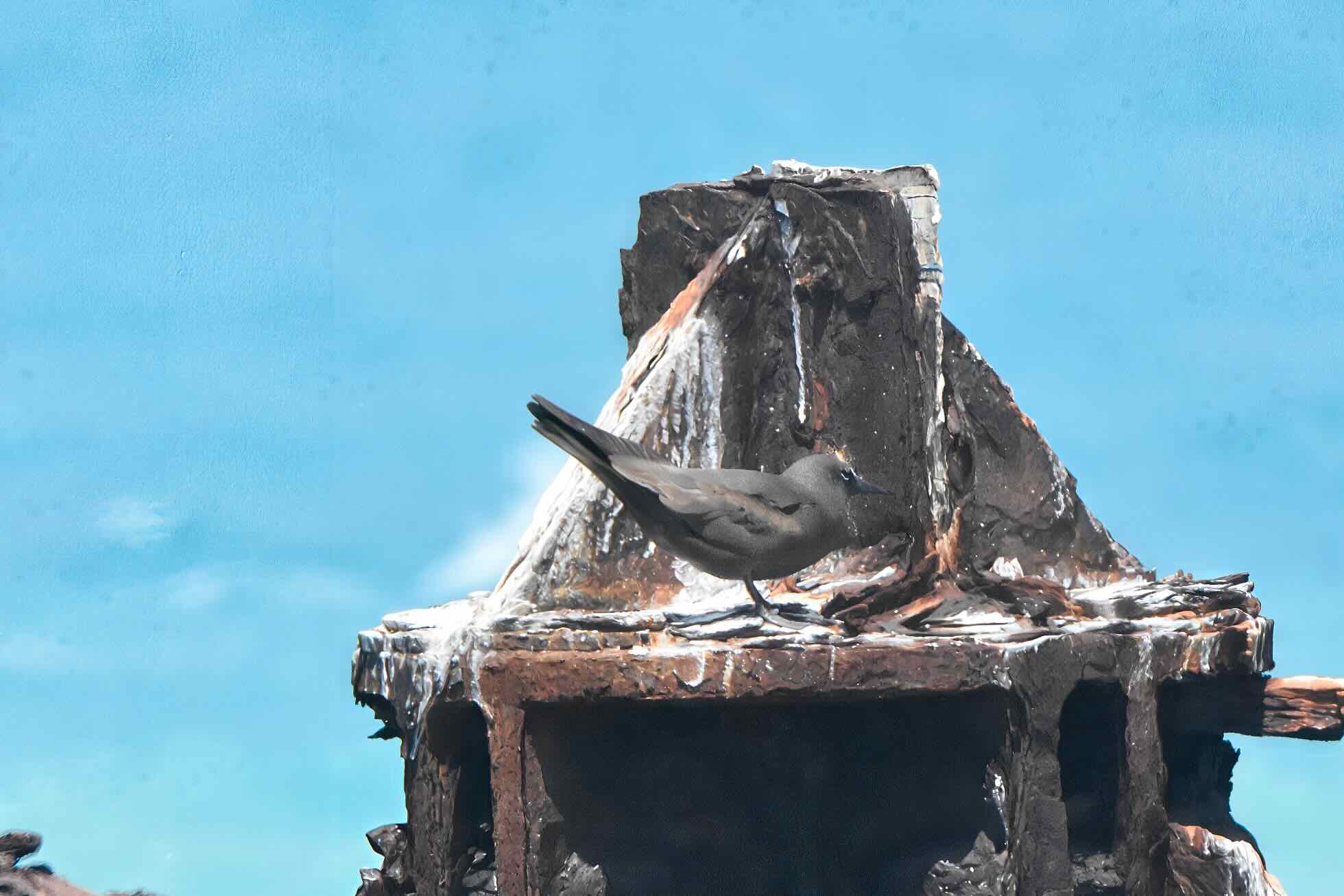
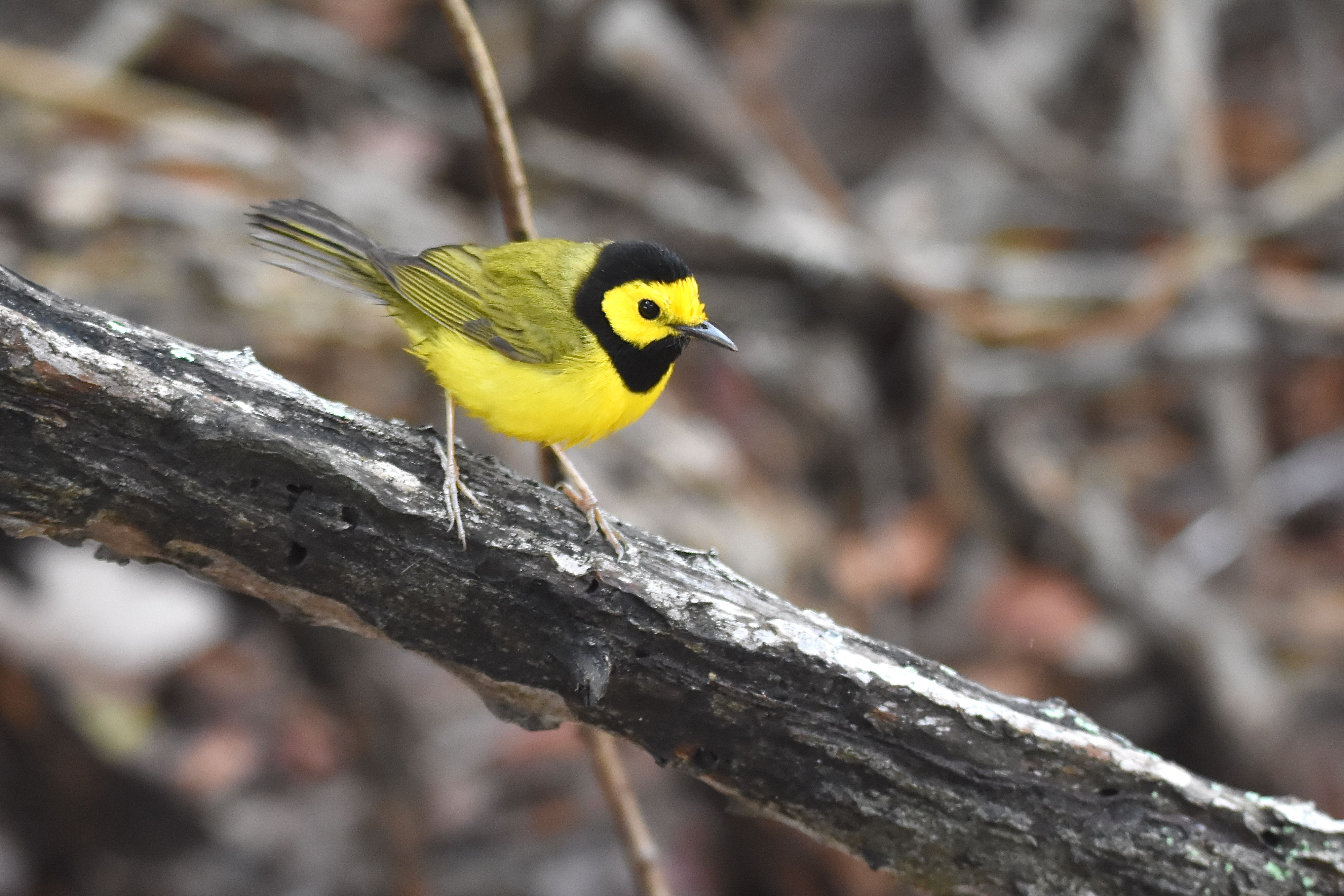
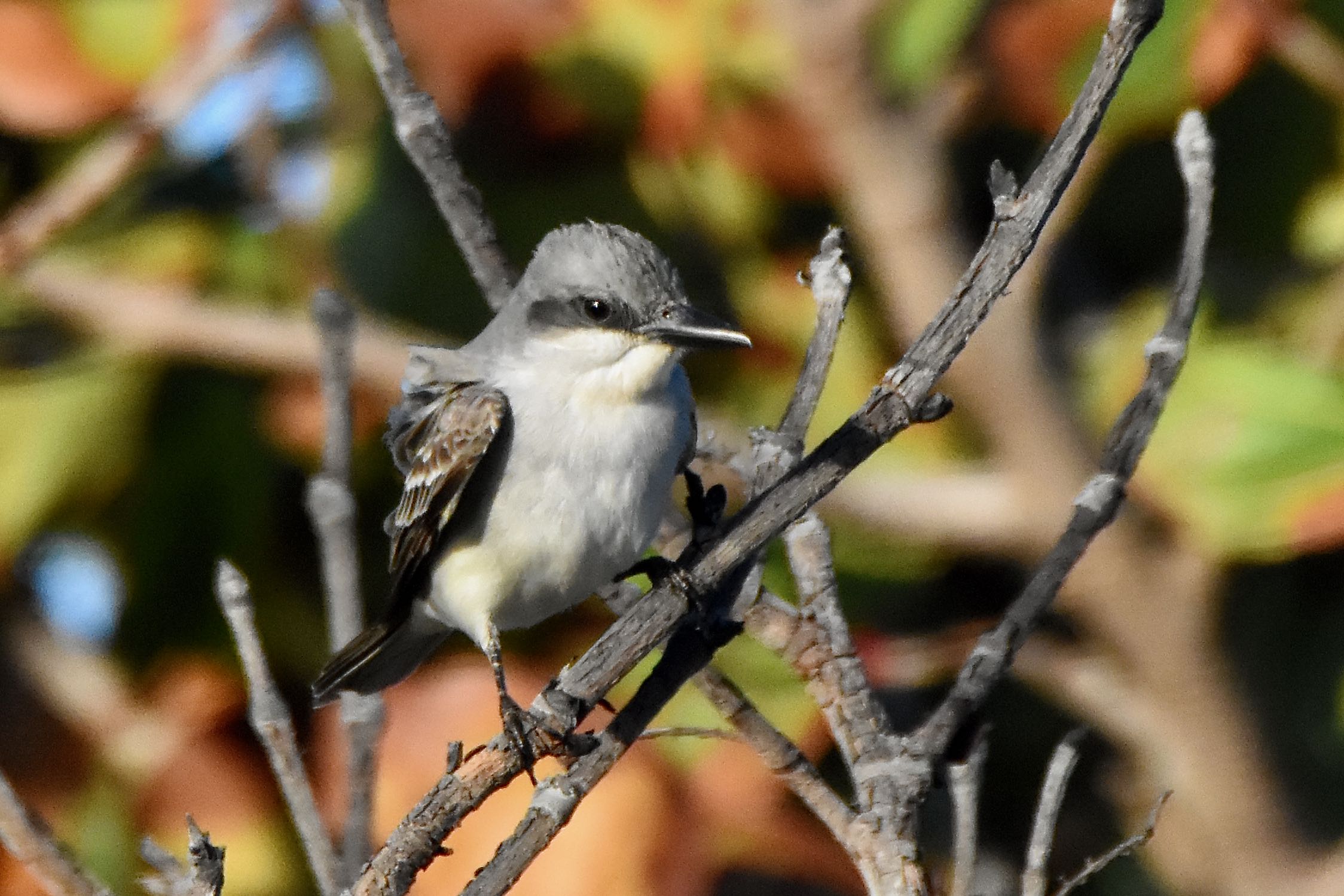
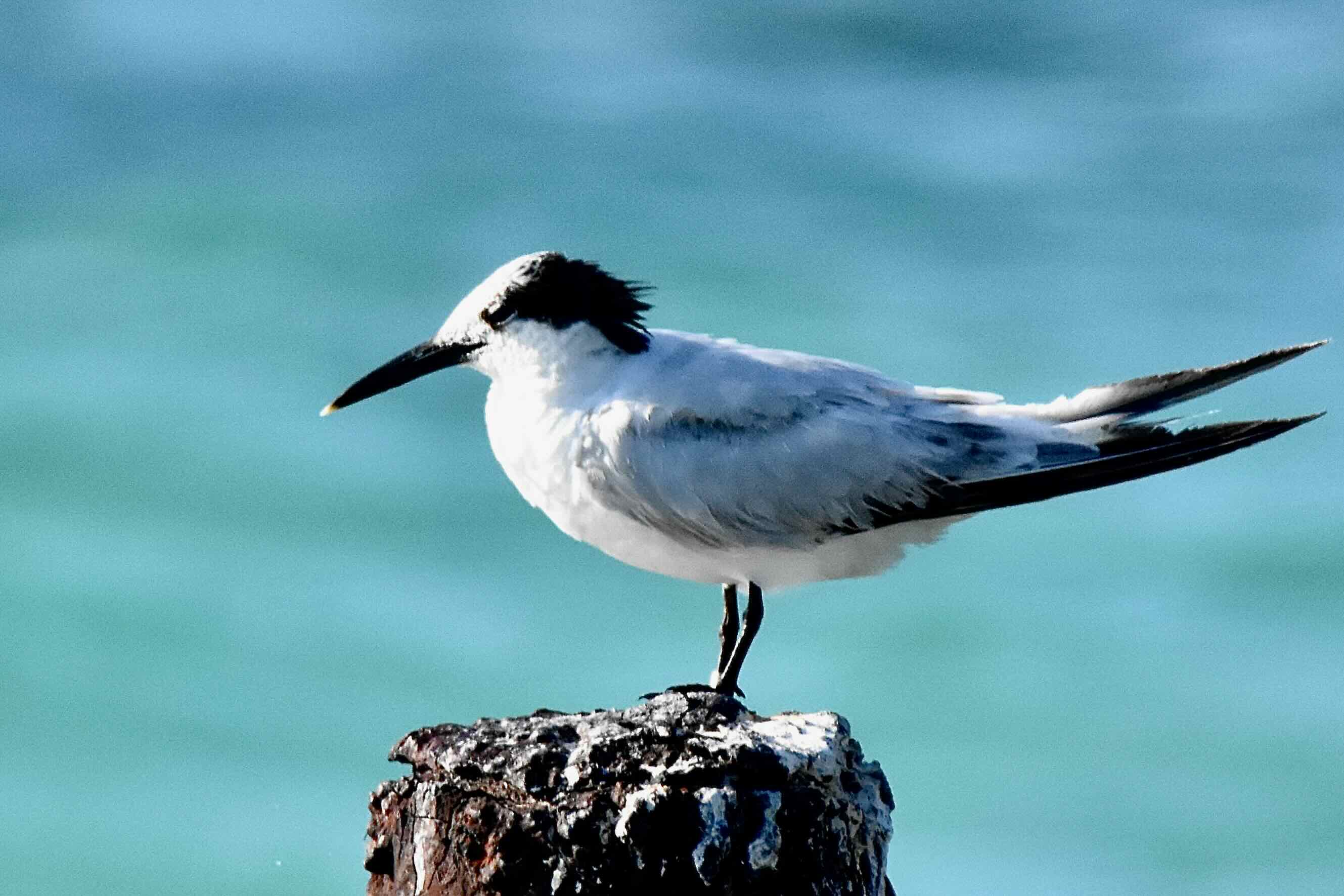
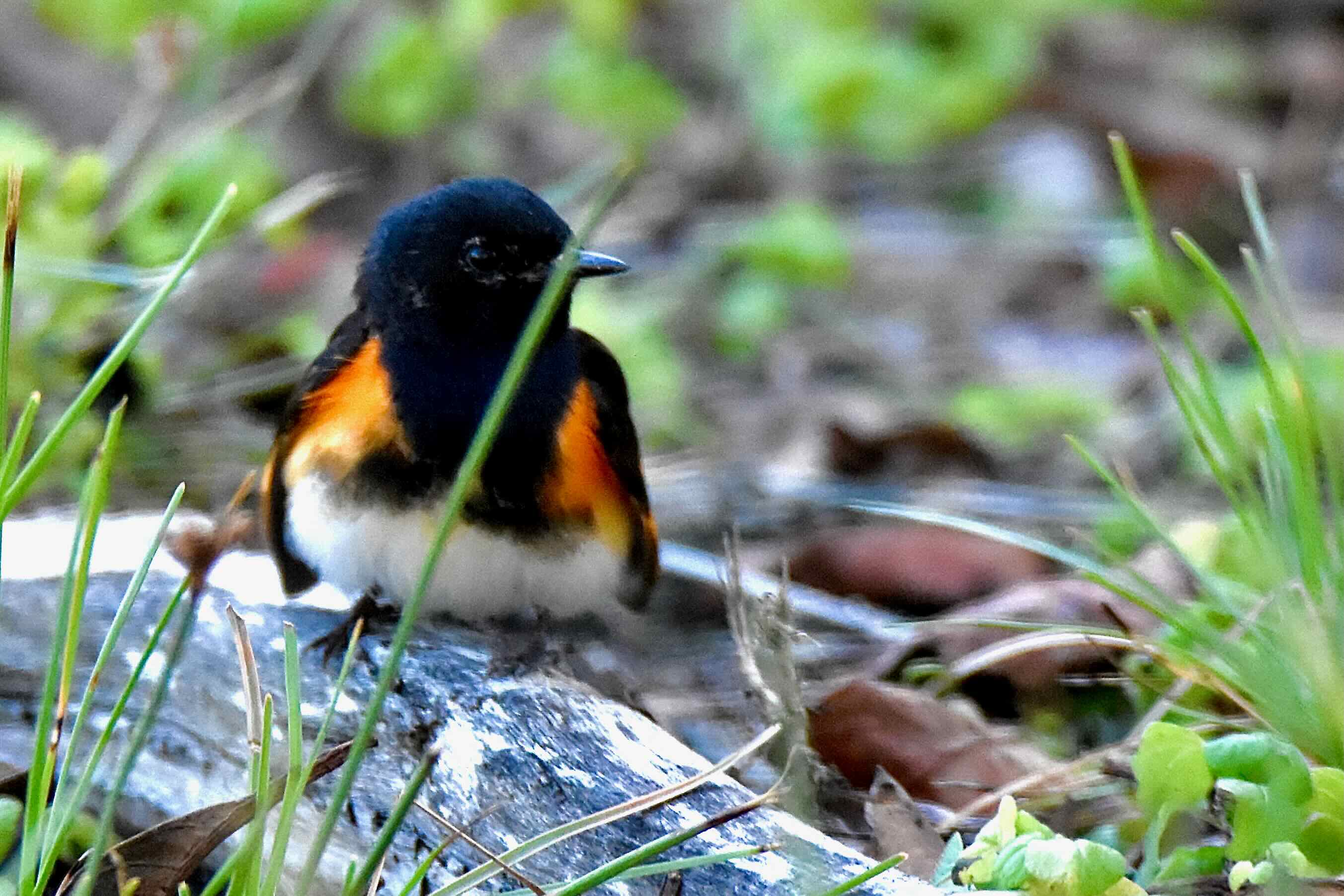
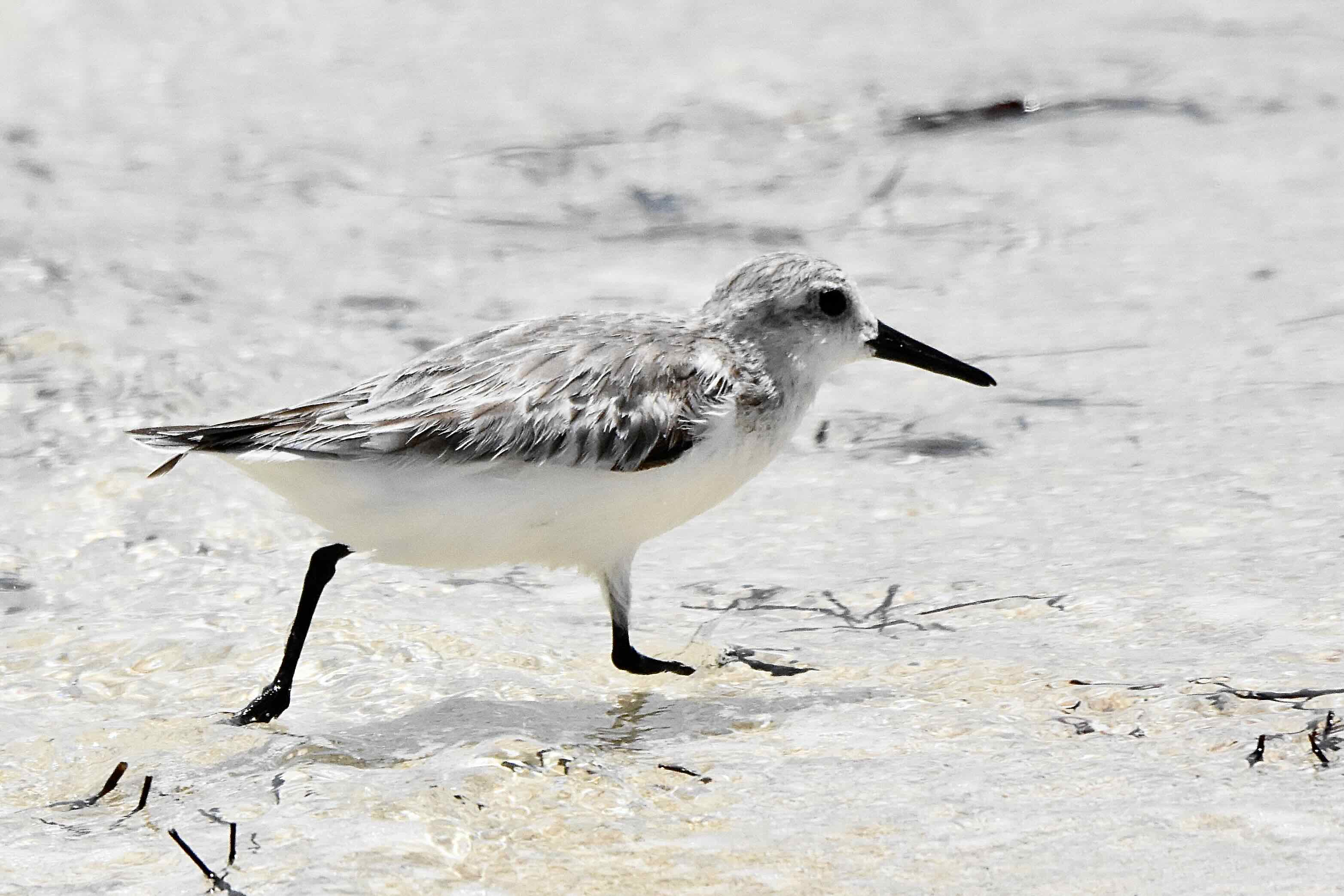
Garden Key is the hub of the park, the site of Fort Jefferson, the Civil War era bastion that guarded the entrance to the Gulf of Mexico. Its strategic location also makes it a magnet for migratory birds as they make their way to places north and south. The list of species that use the islands as a pit stop number into the hundreds. The number of species recorded in the park sits at 299. Some breed here, including the magnificent frigatebird, brown noddy and sooty tern. At times, hundreds of boobies and terns can be seen buzzing neighboring Bush Key. Sea turtles nest on Loggerhead Key and some of the outer islands, and there is (or was) a resident american crocodile. And there are the prestine coral reefs in the shallow, blue waters just offshore.
History: None other than Ponce De Leon gave the archipelago the name, Las Tortugas after exploring the islands in 1513 and finding a flourishing population of sea turtles. Navigational charts soon began referring to the islands as the Dry Tortugas because of a lack of fresh water.
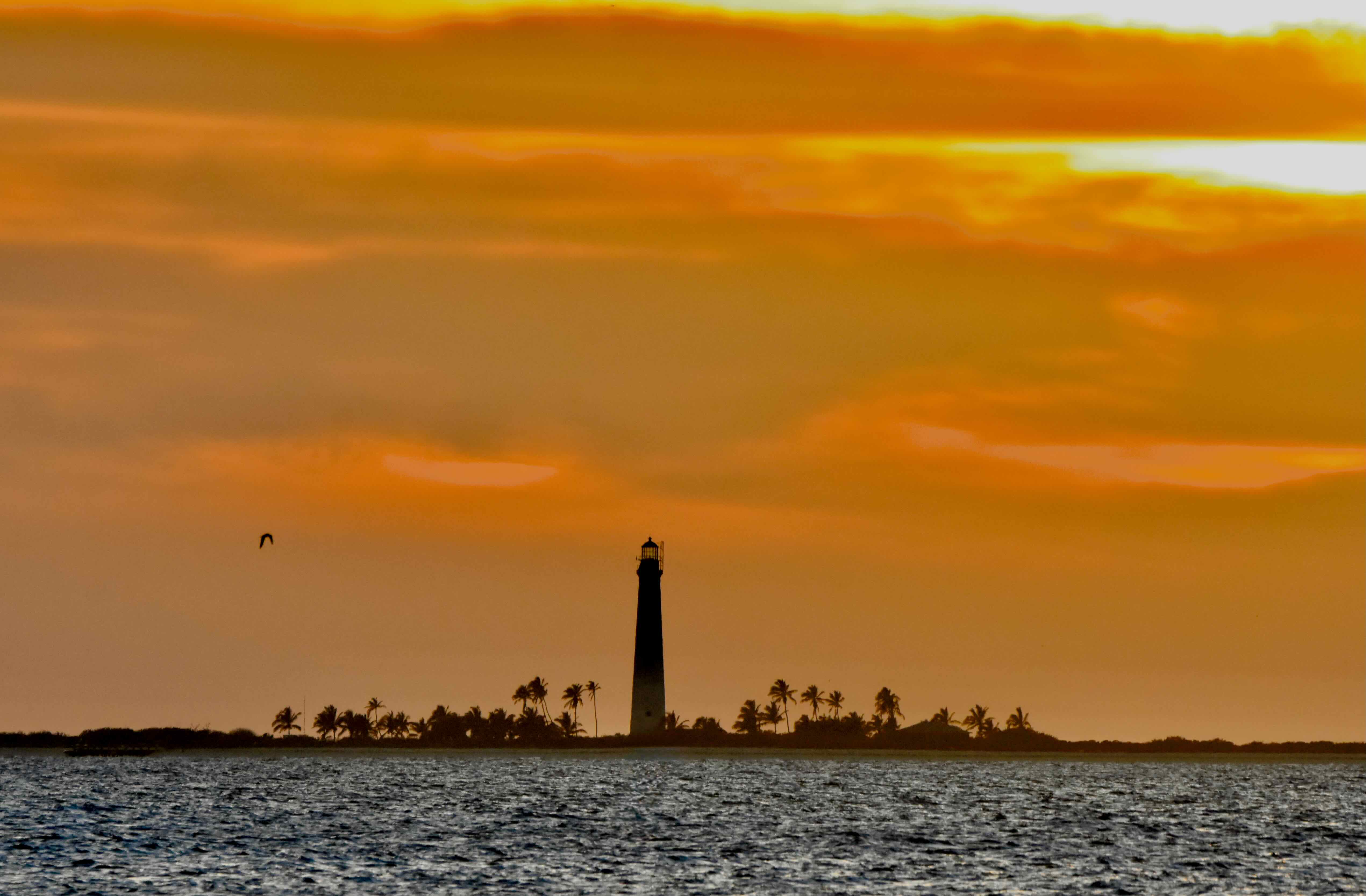
The islands became American possessions when Spain sold Florida to the U.S. in 1819. In 1825, construction of a light house on Garden Key began; construction of Fort Jefferson began in 1847 as a base for American naval operation in the vicinity of the Gulf of Mexico. Activity picked up during the Civil War but the fortress was never completed. During the war and in the years following, it was used as a military prison, housing among others Dr. Samuel Mudd, who was convicted of participating in the conspiracy to assassinate Abraham Lincoln.
The Navy continued to use Garden as a coaling station and other purposes through World War I. The U.S.S. Maine stopped at Garden Key on its fateful journey to Havana. The island was home to the National Marine Laboratory until 1939. In 1935 President Franklin Delano Roosevelt created Fort Jefferson National Monument and in 1992, Garden Key and nearby islands became Dry Tortugas National Park.
What You'll See: As we noted above, Garden Key and Fort Jefferson are the heart of Dry Tortugas National Park. There's not vast expanses of wilderness on Garden Key but that hardly diminishes what you'll see here, depending on the time of the year. Fall and spring migrations can be spectacular and make the park one of best spots for birding in the country. Magnificent frigatebirds patrol the skies over the park throughout the year; brown noddies and sooty terns rule on Bush Key late winter through late fall.
Most of the islands are off limits to human visitors all or a portion of the year. Garden Key, the site of Fort Jefferson, and Loggerhead Key about two miles away, are the two exceptions. Bush Key is open to hikers in late fall and early winter but shut down in February as colonies of sooty terns and brown noddies take over to raise their young. Long Key is home to the only nesting colony of magnificent frigatebirds in the U.S. These giant birds fly high above the islands throughout the year.
In the fall and spring, Garden Key becomes a resting spot for migrating birds on their way to or from their summer nesting grounds and winter retreats.
Amenities: Camping is considered primative. There are picnic tables and grills available, but you must bring your own food and water. The park's toilets are of the chemical variety; the facilities on the Yankee Freedom may be used when it is docked. The boat also has showers, although using soap is not allowed. There is a book store inside the fort and various interpretive signs, though most revolve around the history of the fort.
Of Note: There is an entrance fee to the park and a fee for camping. Check the park website (above) for details. Only Garden and Loggerhead are open to the public year round. Bush opens only for a few months in late fall and early winter.
Note: Getting to the park by boat is the only way to camp, either your own or the Yankee Freedom. Make reservations as far in advance as possible to ensure getting the dates you want. (The park will accommodate all campers, but space on the Yankee Freedom is limited, especially for those planning to camp.) Info on getting there by seaplane is here.
Links: For more on Dry Tortugas National Parkcheck out our virtual tour. Other links: the Institute for Regional Conservation and the Great Florida Birding Trail.
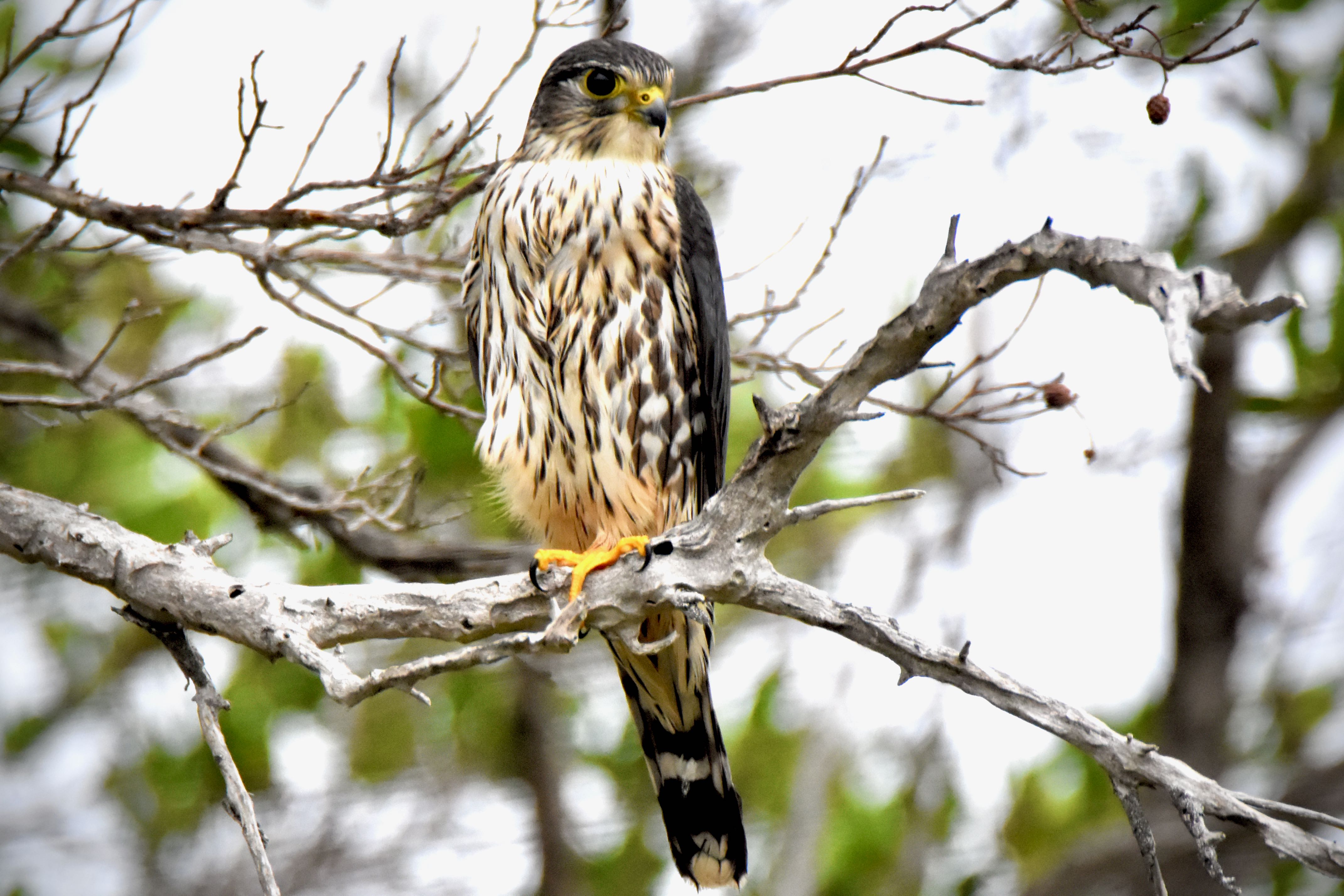
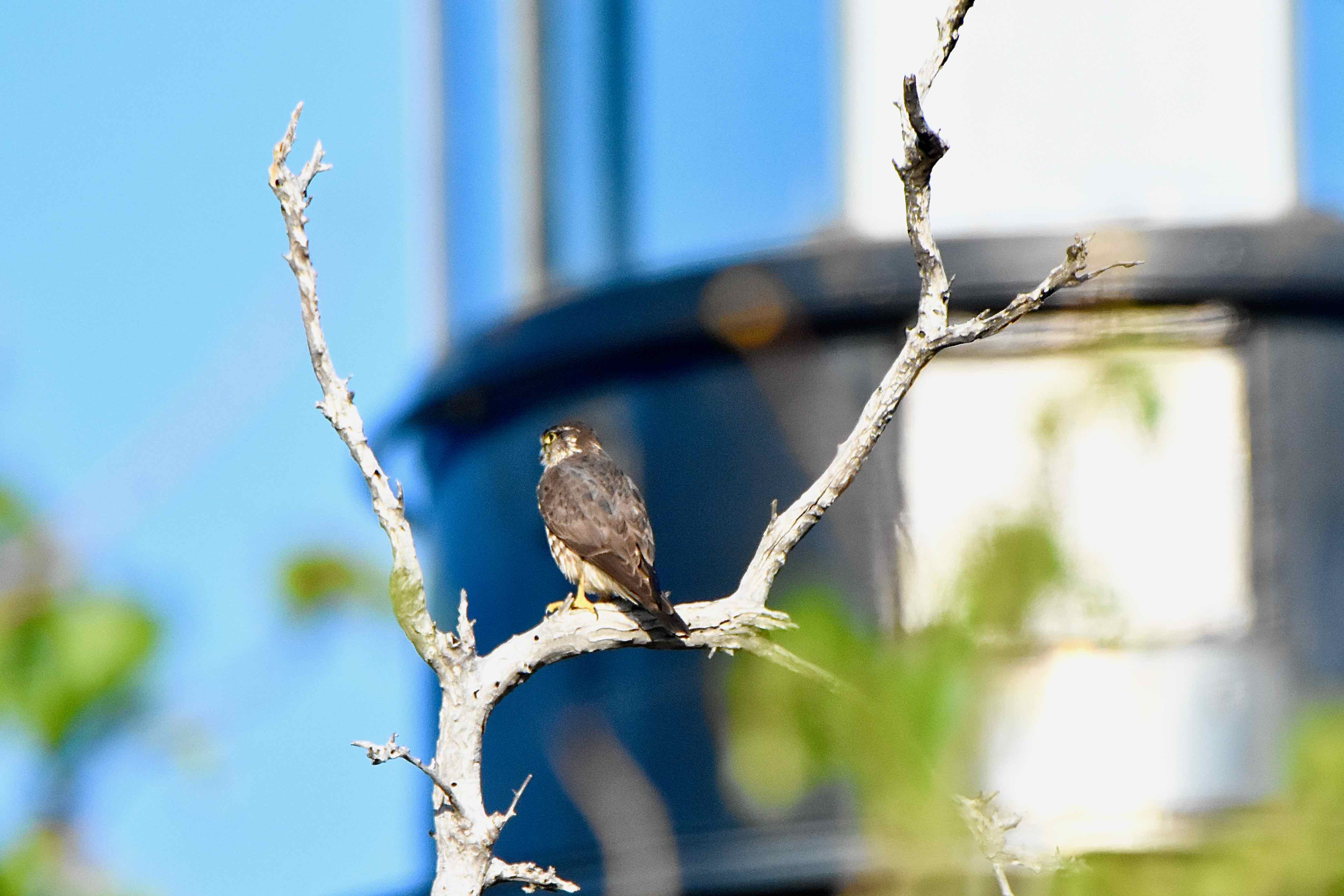
Cover Photo: A merlin falcon perches in a try inside Fort Jefferson. The Garden Key Light is in the background.
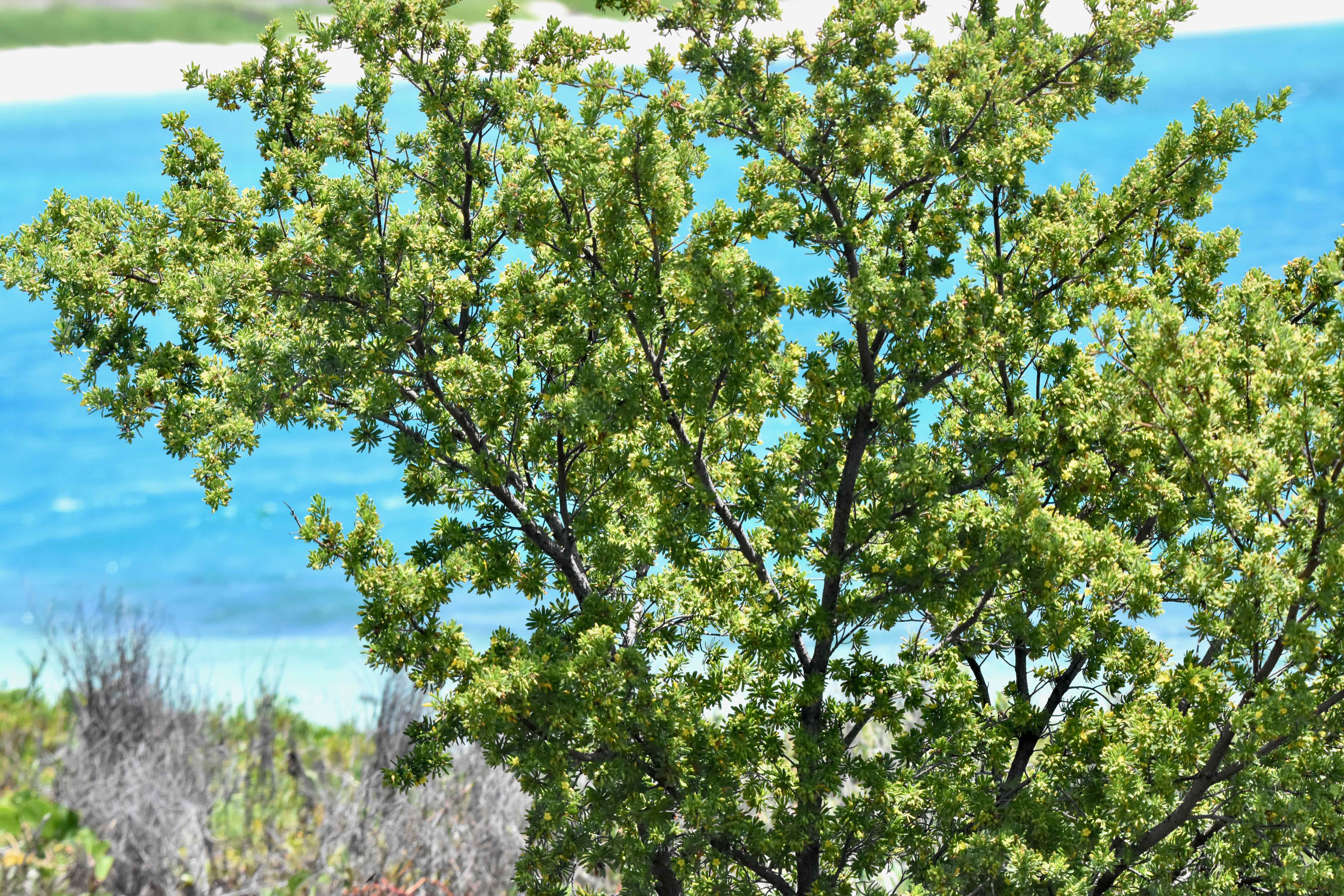
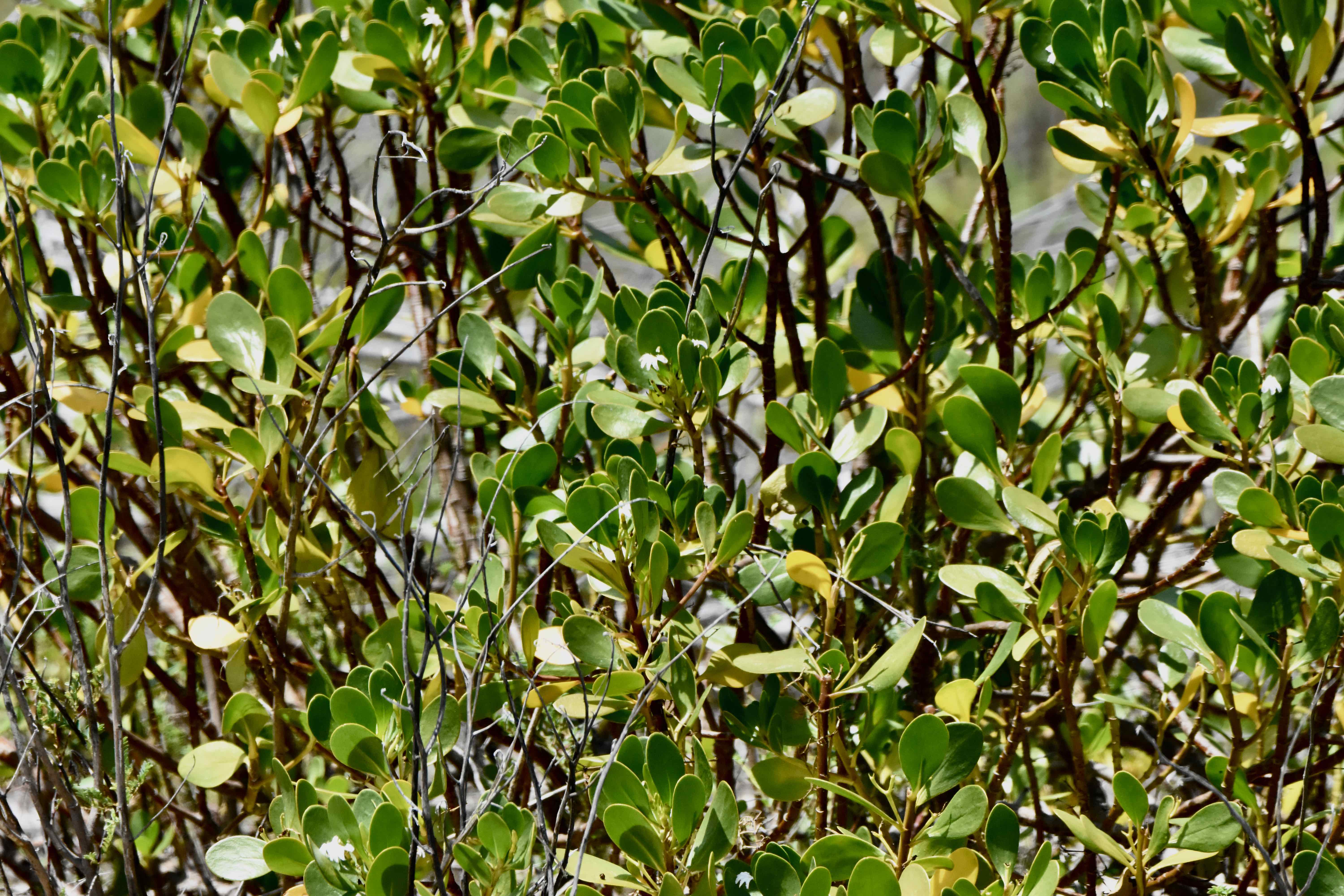
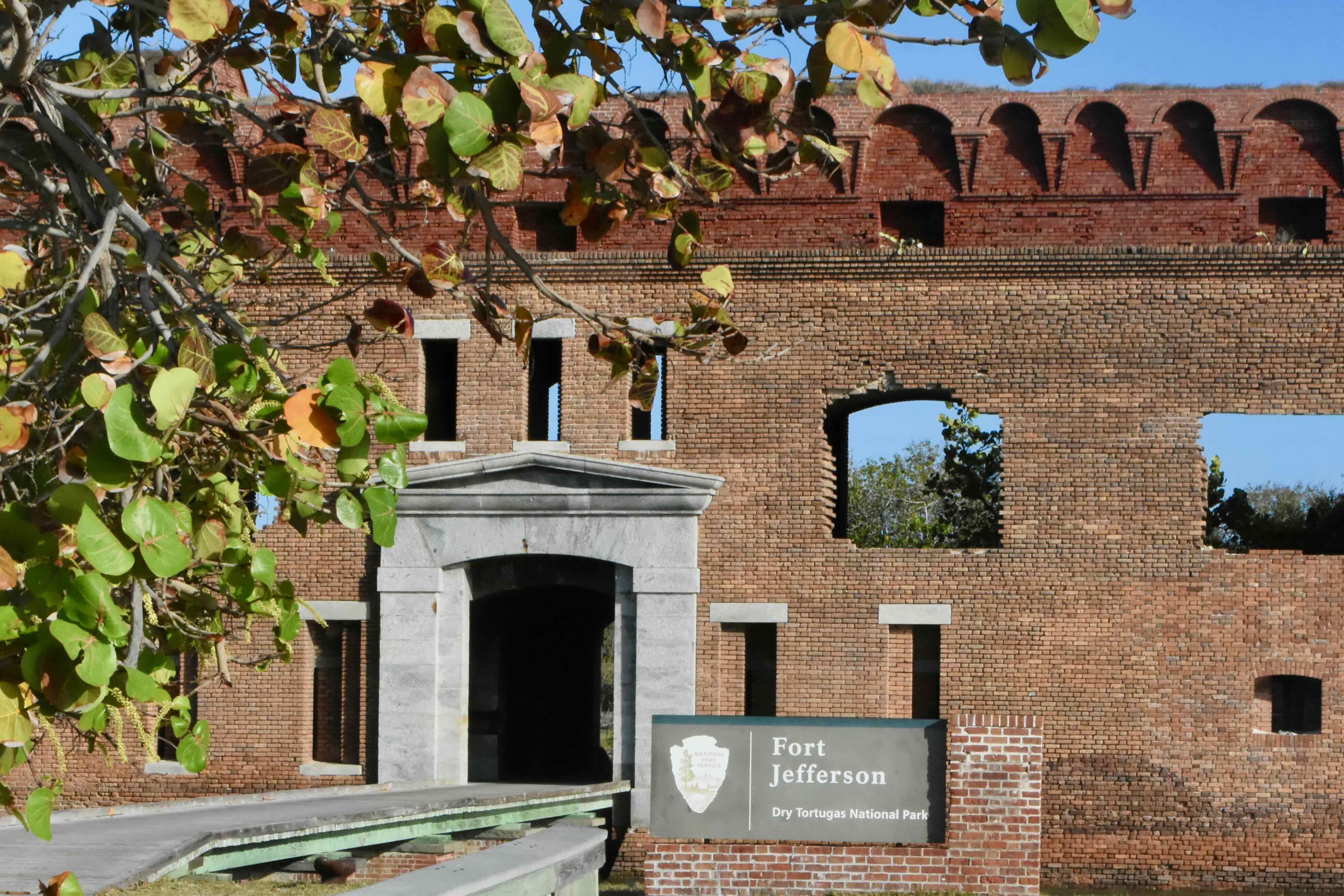
Second Photo: The Fort Jefferson sallyport — the only entrance to the fortress — is dead ahead as passengers disembark from the Yankee Freedom. The tree in upper corner is a seagrape and a pretty good place for spotting birds.
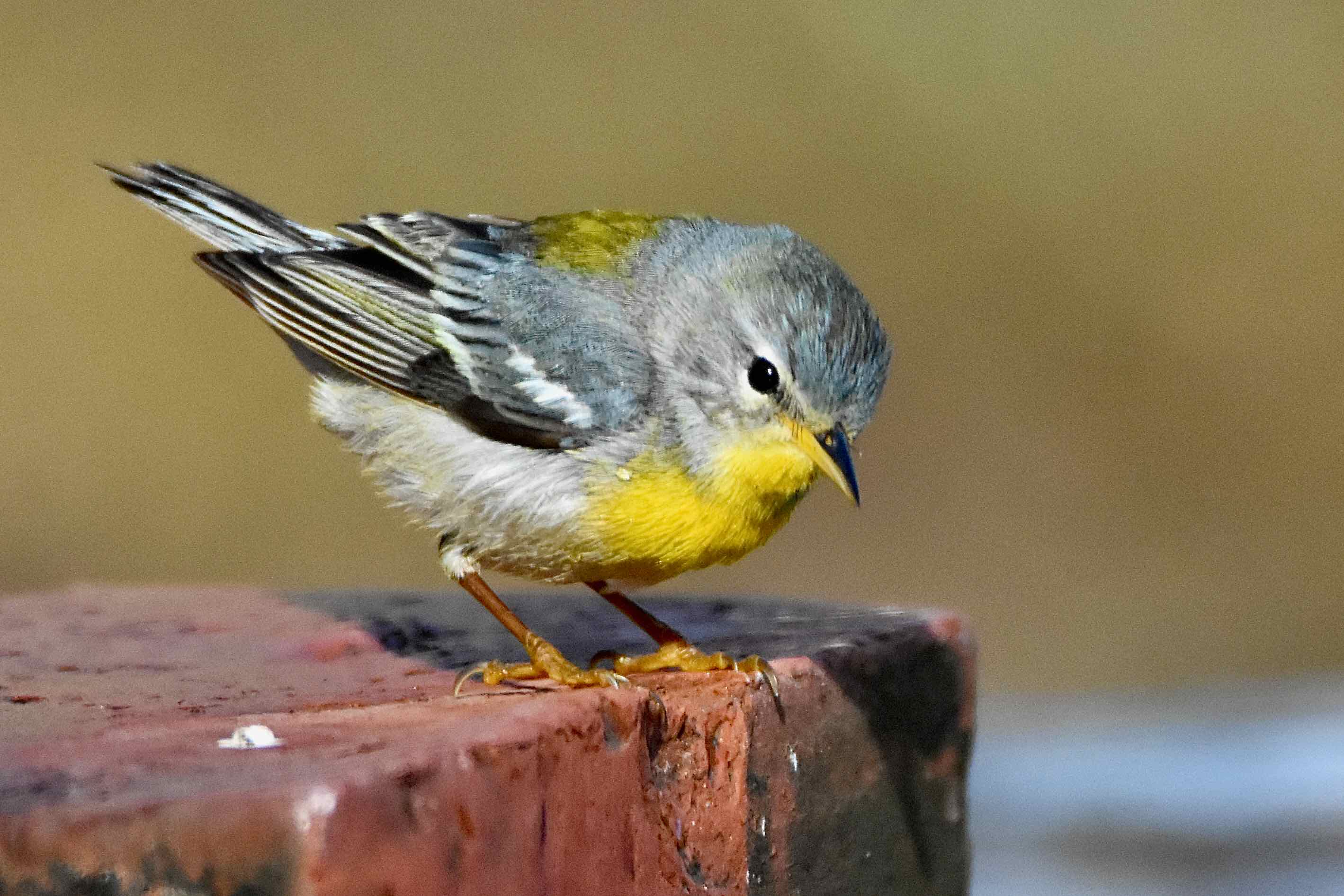
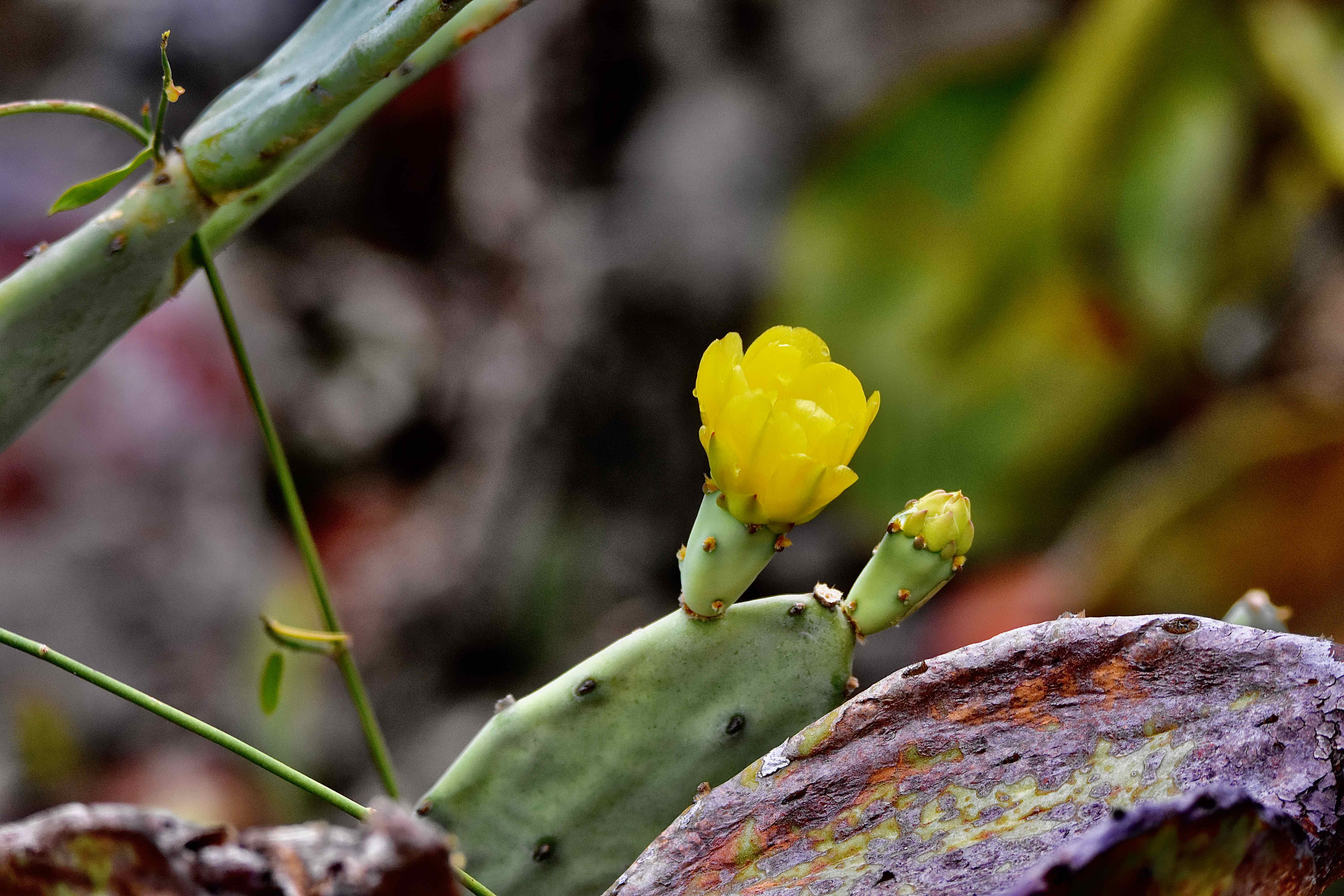
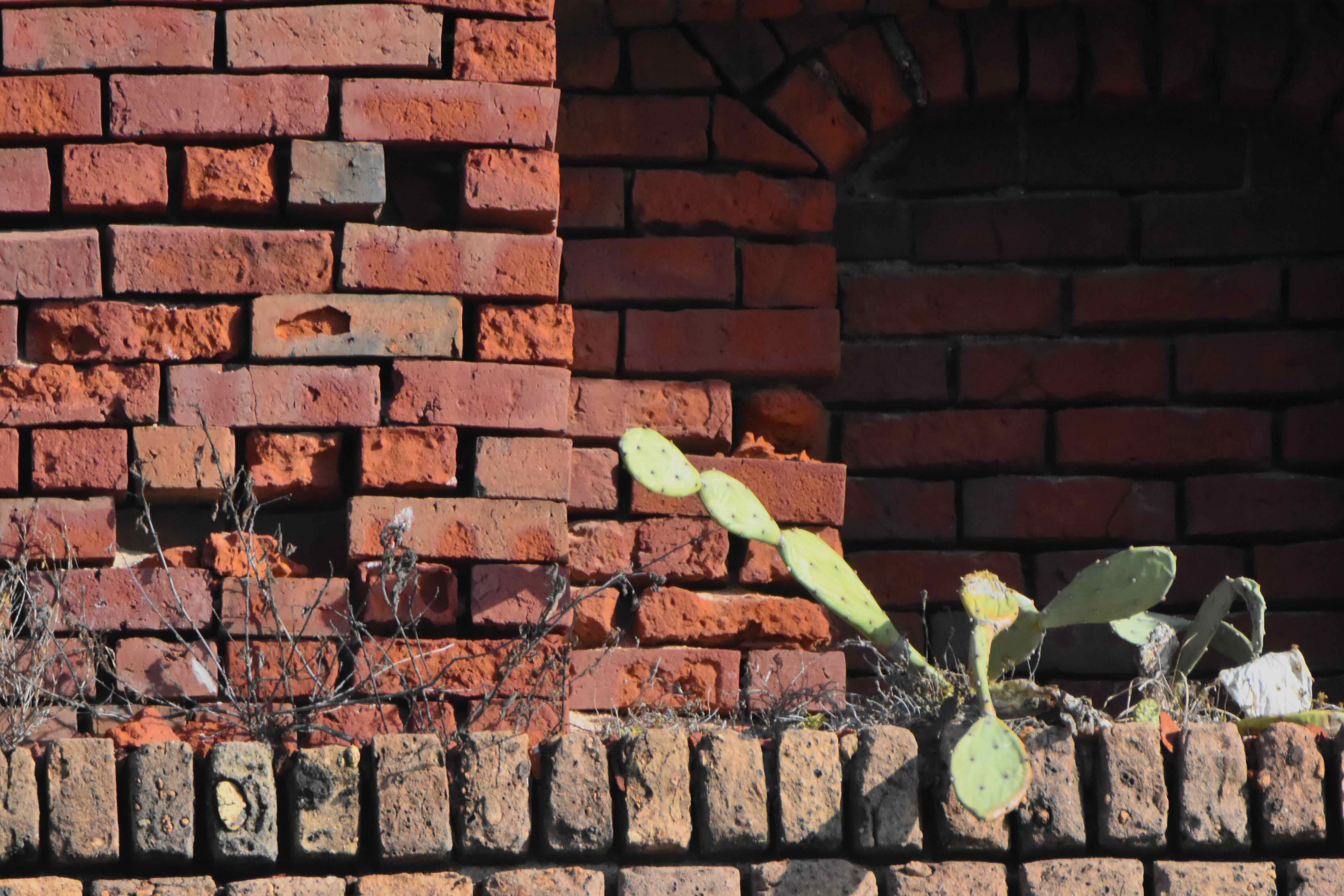
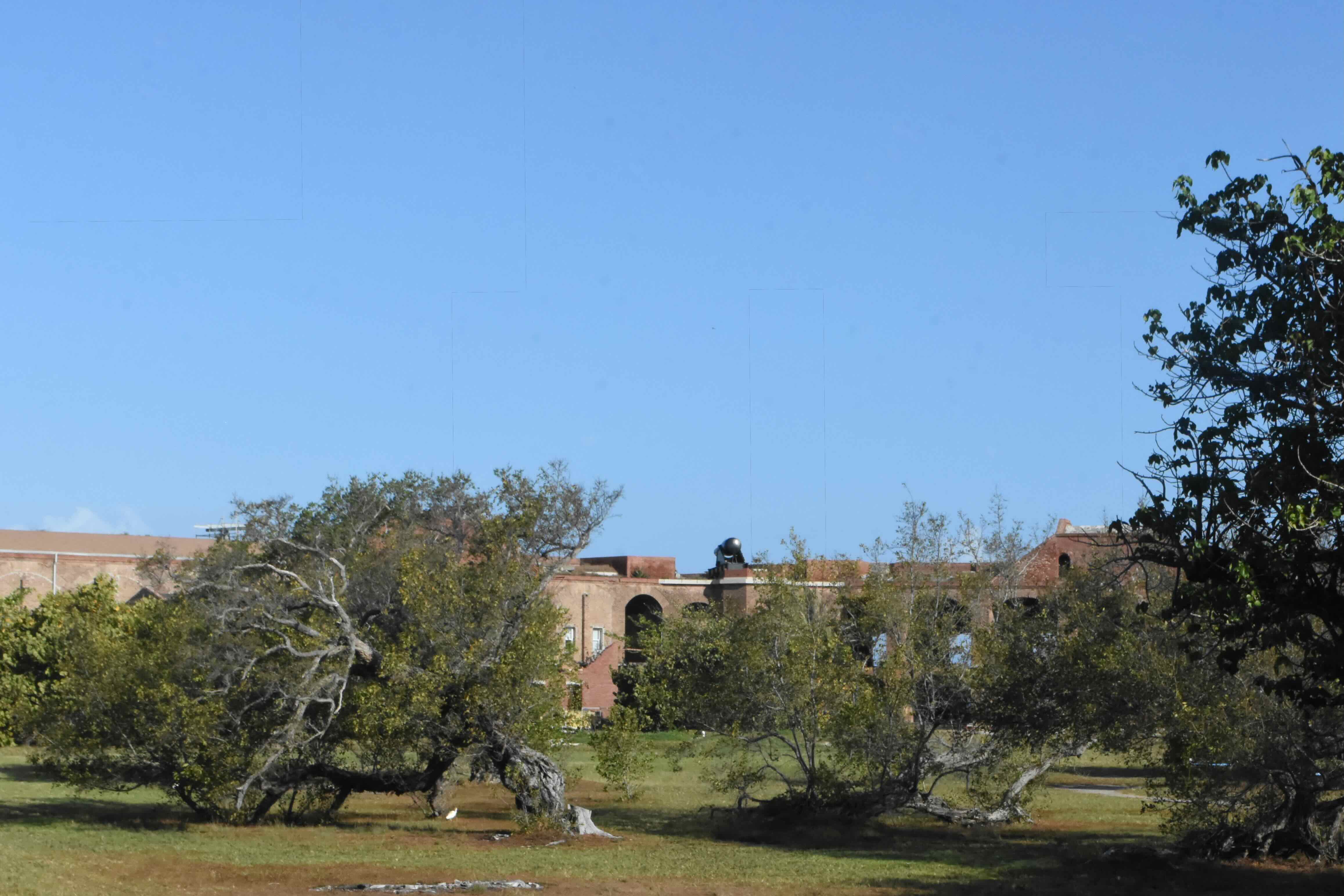
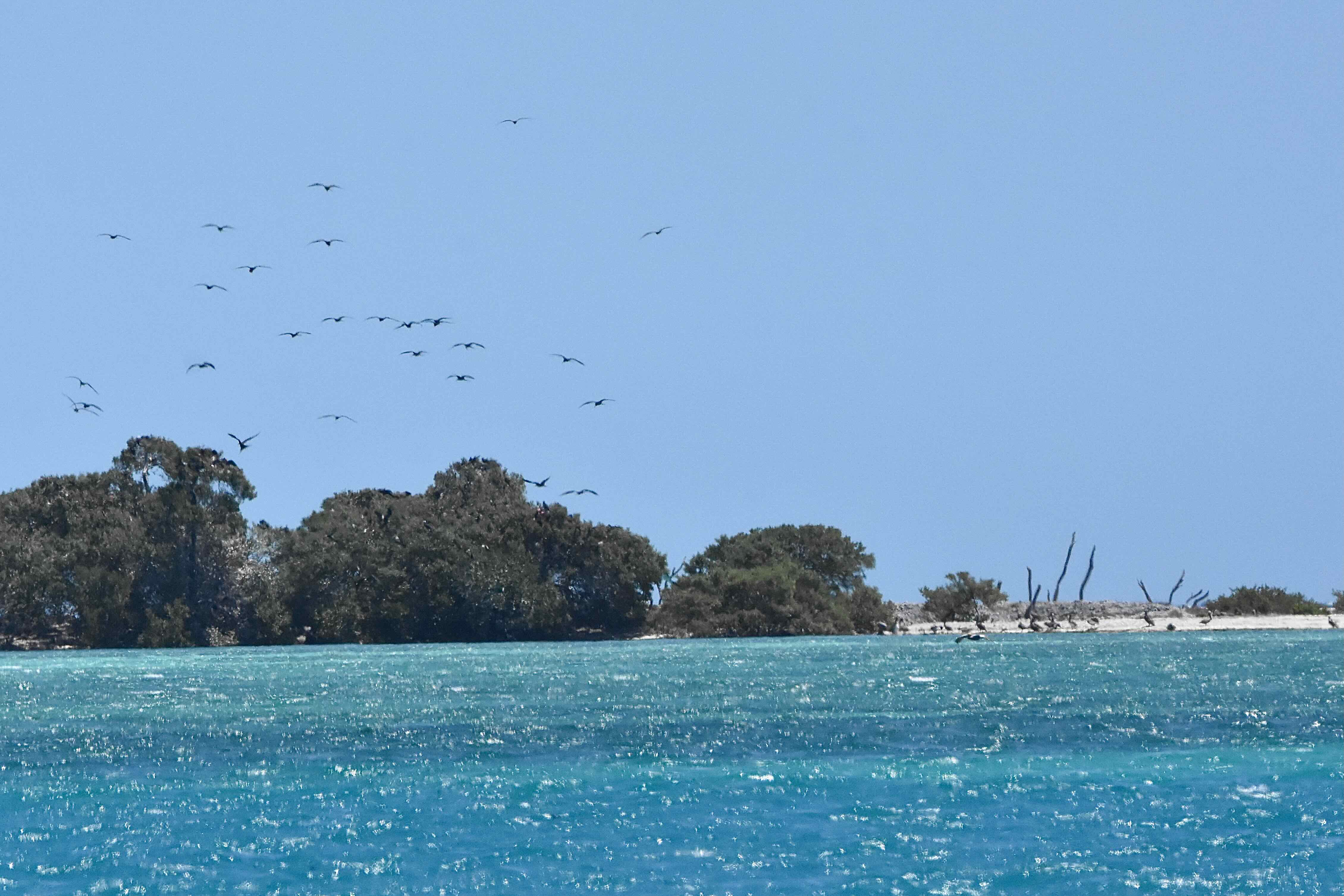
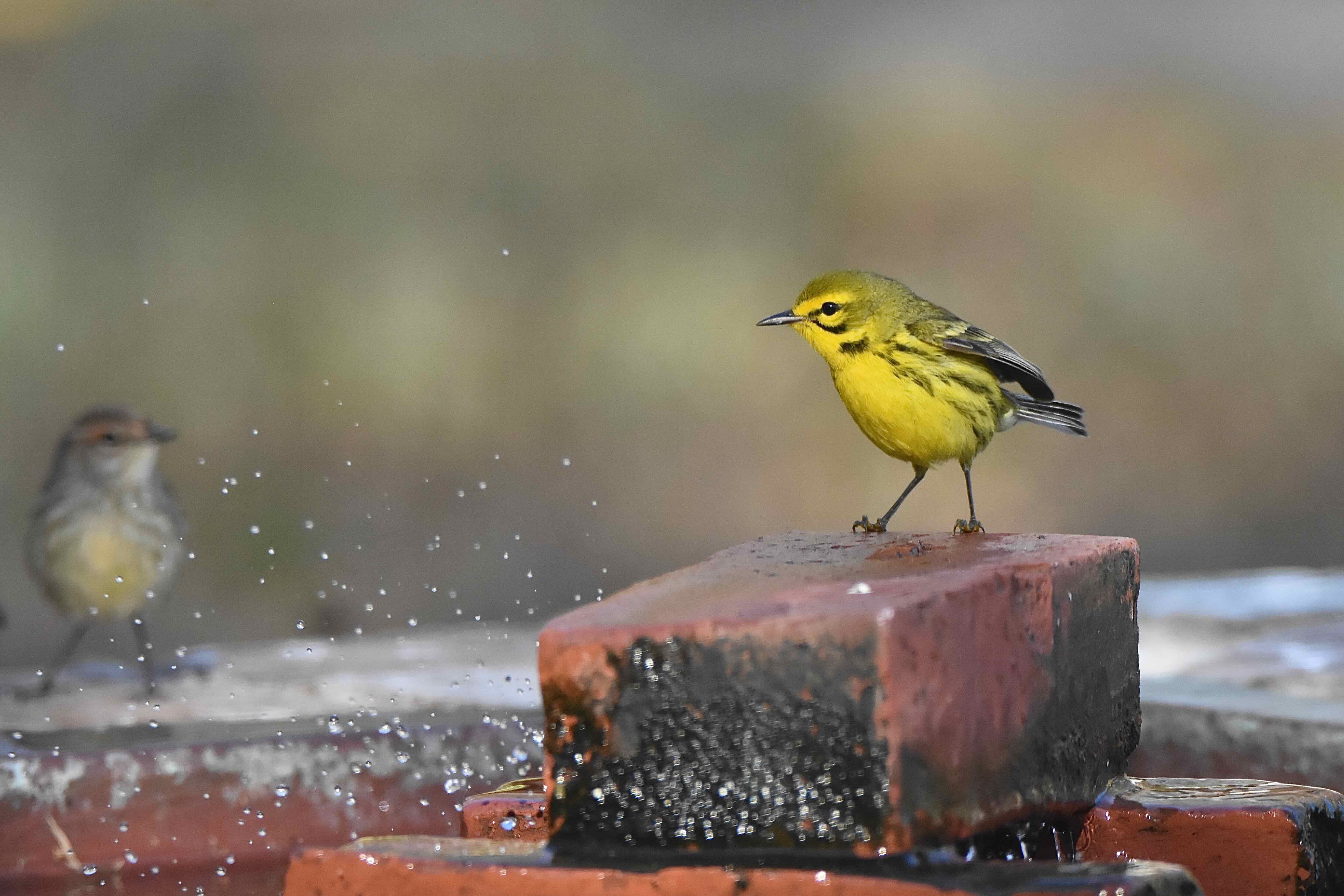
Center Photos: Left: A prickly pear cactus takes hold in Fort Jefferson's crumbling masonry. Right: Long Key, the site of the only magnificent frigatebird nesting colony in the United States. Second Row: There is a small fountain within Fort Jefferson where migrating birds, like the prairie warbler shown in the photo can quench their thirst. There is a bench a few feet away where tired bird watchers can rest and still observe our feathered friends. Right, a view of Fort Jefferson's parade ground. Click on the photos to see larger images.
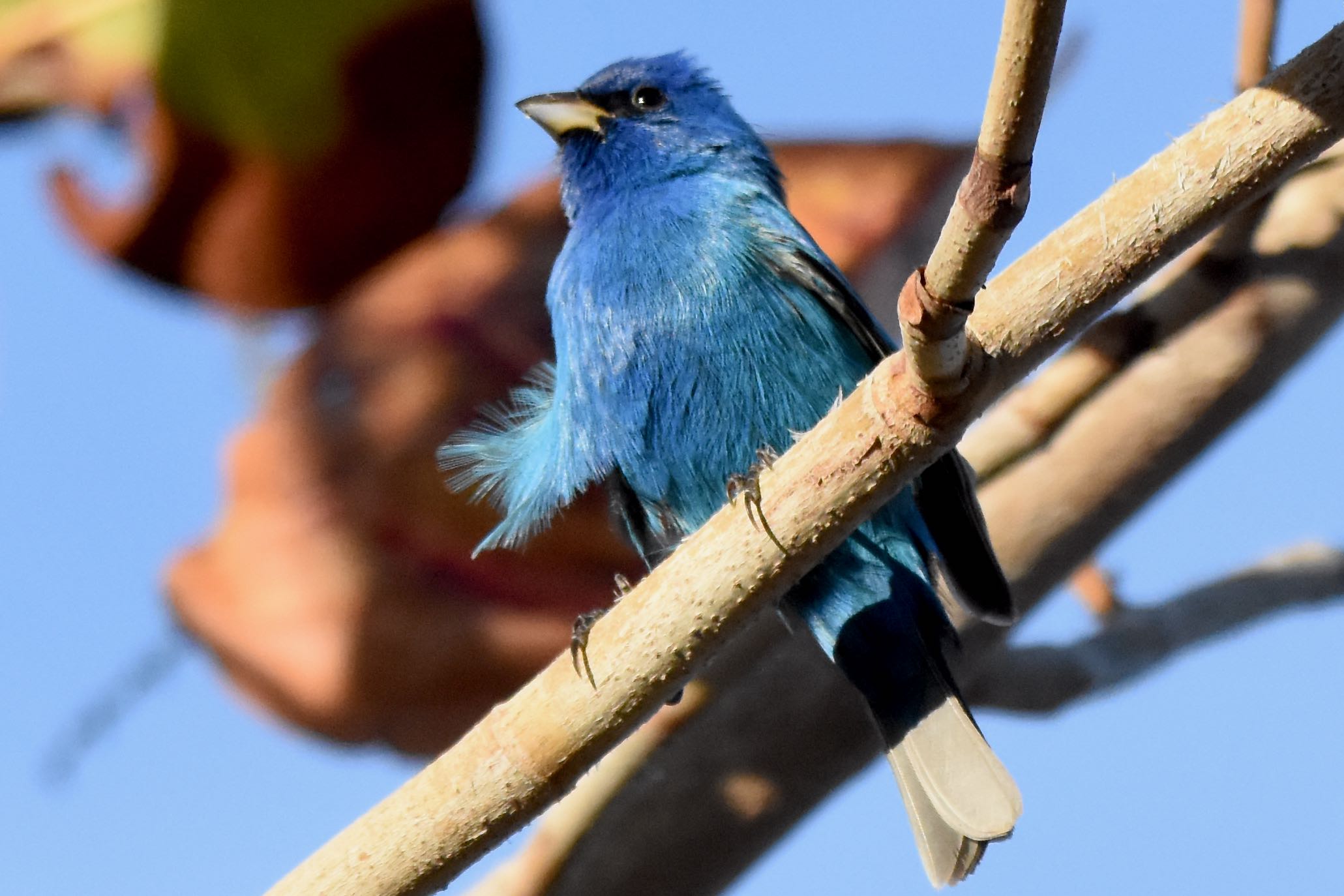
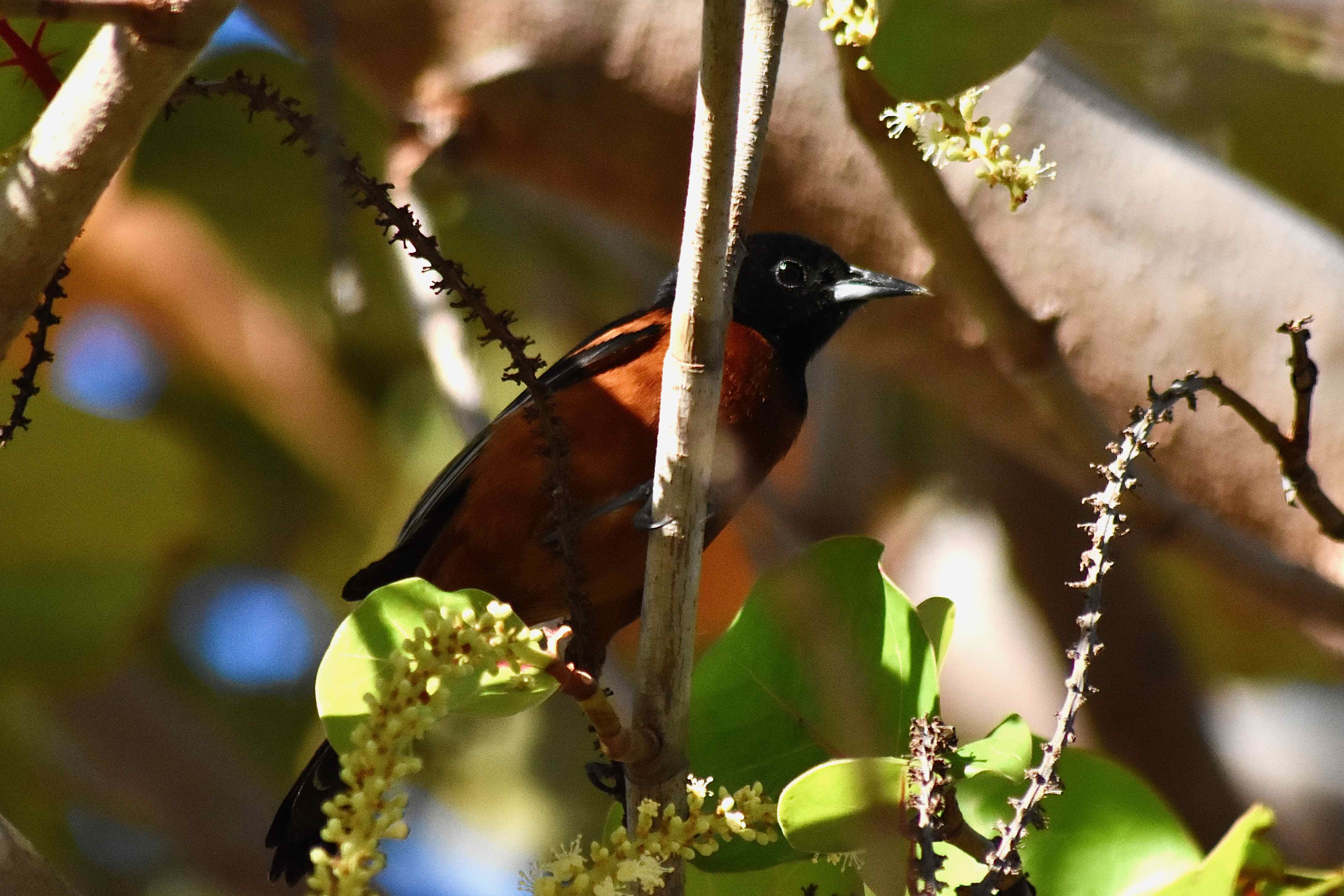
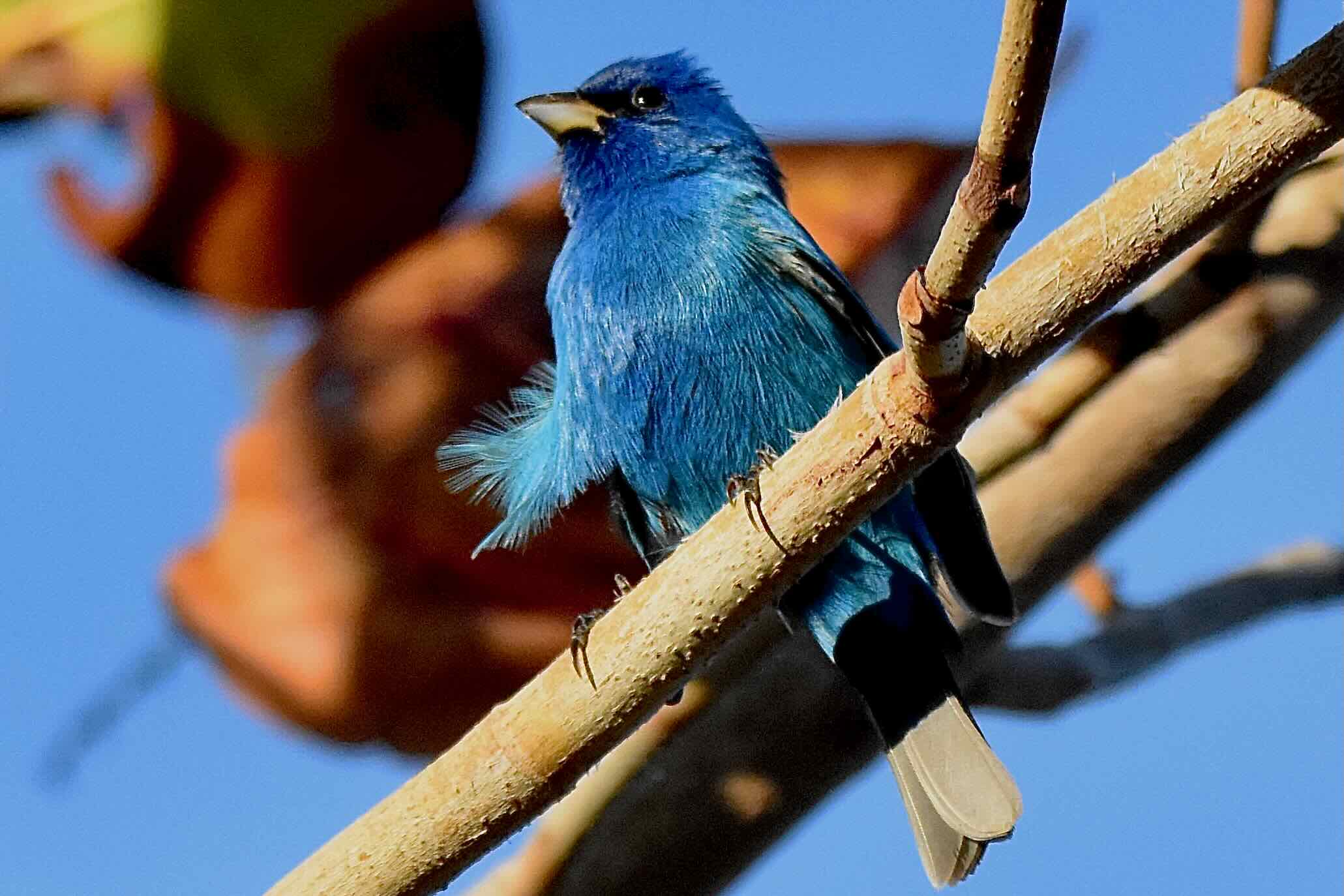
Bottom Photo: An indigo bunting perches inside Fort Jefferson, one of the thousands of birds who use the Dry Tortugas as a pit stop during their annual migrations.
If birding isn't your thing, there are the coral reefs that surround the islands and make for some of the best snorkeling in Florida if not all of North America. And then there is the history of the place, which extends back through the early Spanish explorers through the Second World War.
Garden Key is the hub of the park, the site of Fort Jefferson, the Civil War era bastion that guarded the entrance to the Gulf of Mexico. Its strategic location also makes it a magnet for migratory birds as they make their way to places north and south. The list of species that use the islands as a pit stop number into the hundreds. The number of species recorded in the park sits at 299. Some breed here, including the magnificent frigatebird, brown noddy and sooty tern. At times, hundreds of boobies and terns can be seen buzzing neighboring Bush Key. Sea turtles nest on Loggerhead Key and some of the outer islands, and there is (or was) a resident american crocodile. And there are the prestine coral reefs in the shallow, blue waters just offshore.
History: None other than Ponce De Leon gave the archipelago the name, Las Tortugas after exploring the islands in 1513 and finding a flourishing population of sea turtles. Navigational charts soon began referring to the islands as the Dry Tortugas because of a lack of fresh water.
The islands became American possessions when Spain sold Florida to the U.S. in 1819. In 1825, construction of a light house on Garden Key began; construction of Fort Jefferson began in 1847 as a base for American naval operation in the vicinity of the Gulf of Mexico. Activity picked up during the Civil War but the fortress was never completed. During the war and in the years following, it was used as a military prison, housing among others Dr. Samuel Mudd, who was convicted of participating in the conspiracy to assassinate Abraham Lincoln.
The Navy continued to use Garden as a coaling station and other purposes through World War I. The U.S.S. Maine stopped at Garden Key on its fateful journey to Havana. The island was home to the National Marine Laboratory until 1939. In 1935 President Franklin Delano Roosevelt created Fort Jefferson National Monument and in 1992, Garden Key and nearby islands became Dry Tortugas National Park.
What You'll See: As we noted above, Garden Key and Fort Jefferson are the heart of Dry Tortugas National Park. There's not vast expanses of wilderness on Garden Key but that hardly diminishes what you'll see here, depending on the time of the year. Fall and spring migrations can be spectacular and make the park one of best spots for birding in the country. Magnificent frigatebirds patrol the skies over the park throughout the year; brown noddies and sooty terns rule on Bush Key late winter through late fall.
Most of the islands are off limits to human visitors all or a portion of the year. Garden Key, the site of Fort Jefferson, and Loggerhead Key about two miles away, are the two exceptions. Bush Key is open to hikers in late fall and early winter but shut down in February as colonies of sooty terns and brown noddies take over to raise their young. Long Key is home to the only nesting colony of magnificent frigatebirds in the U.S. These giant birds fly high above the islands throughout the year.
In the fall and spring, Garden Key becomes a resting spot for migrating birds on their way to or from their summer nesting grounds and winter retreats.
Amenities: Camping is considered primative. There are picnic tables and grills available, but you must bring your own food and water. The park's toilets are of the chemical variety; the facilities on the Yankee Freedom may be used when it is docked. The boat also has showers, although using soap is not allowed. There is a book store inside the fort and various interpretive signs, though most revolve around the history of the fort.
Of Note: There is an entrance fee to the park and a fee for camping. Check the park website (above) for details. Only Garden and Loggerhead are open to the public year round. Bush opens only for a few months in late fall and early winter.
Note: Getting to the park by boat is the only way to camp, either your own or the Yankee Freedom. Make reservations as far in advance as possible to ensure getting the dates you want. (The park will accommodate all campers, but space on the Yankee Freedom is limited, especially for those planning to camp.) Info on getting there by seaplane is here.
Links: For more on Dry Tortugas National Parkcheck out our virtual tour. Other links: the Institute for Regional Conservation and the Great Florida Birding Trail.
Cover Photo: A merlin falcon perches in a try inside Fort Jefferson. The Garden Key Light is in the background.
Second Photo: The Fort Jefferson sallyport — the only entrance to the fortress — is dead ahead as passengers disembark from the Yankee Freedom. The tree in upper corner is a seagrape and a pretty good place for spotting birds.
Center Photos: Left: A prickly pear cactus takes hold in Fort Jefferson's crumbling masonry. Right: Long Key, the site of the only magnificent frigatebird nesting colony in the United States. Second Row: There is a small fountain within Fort Jefferson where migrating birds, like the prairie warbler shown in the photo can quench their thirst. There is a bench a few feet away where tired bird watchers can rest and still observe our feathered friends. Right, a view of Fort Jefferson's parade ground. Click on the photos to see larger images.
Bottom Photo: An indigo bunting perches inside Fort Jefferson, one of the thousands of birds who use the Dry Tortugas as a pit stop during their annual migrations.