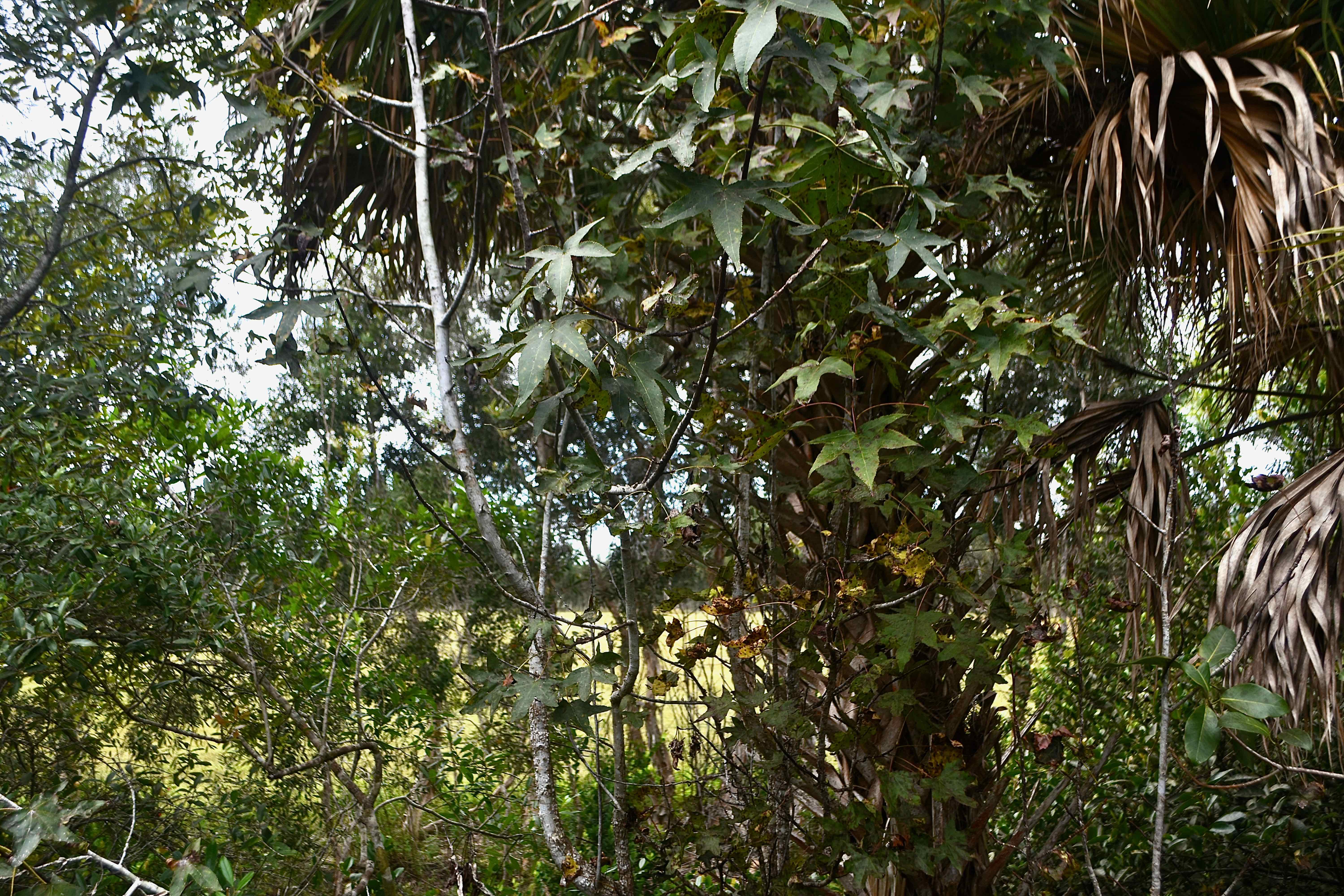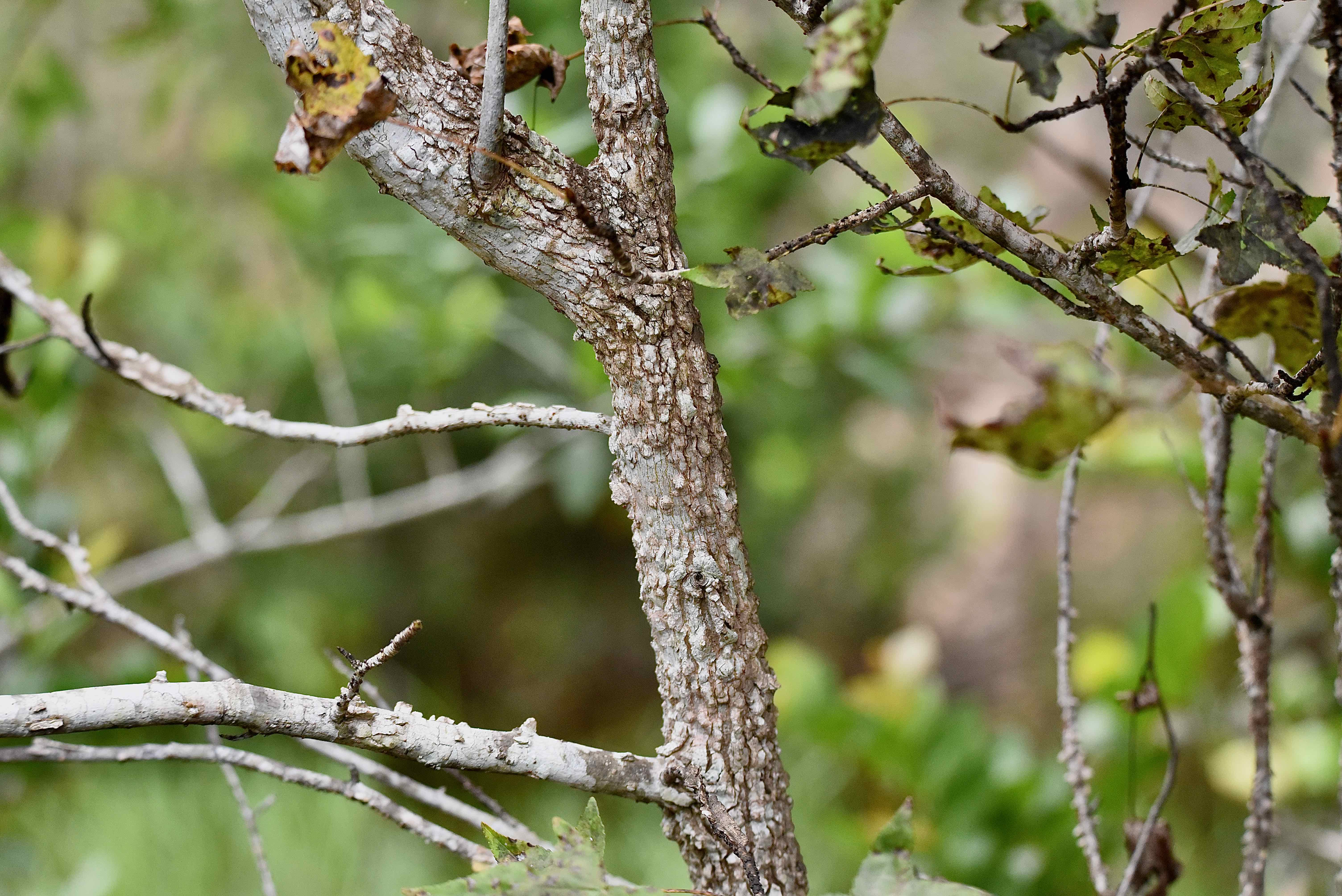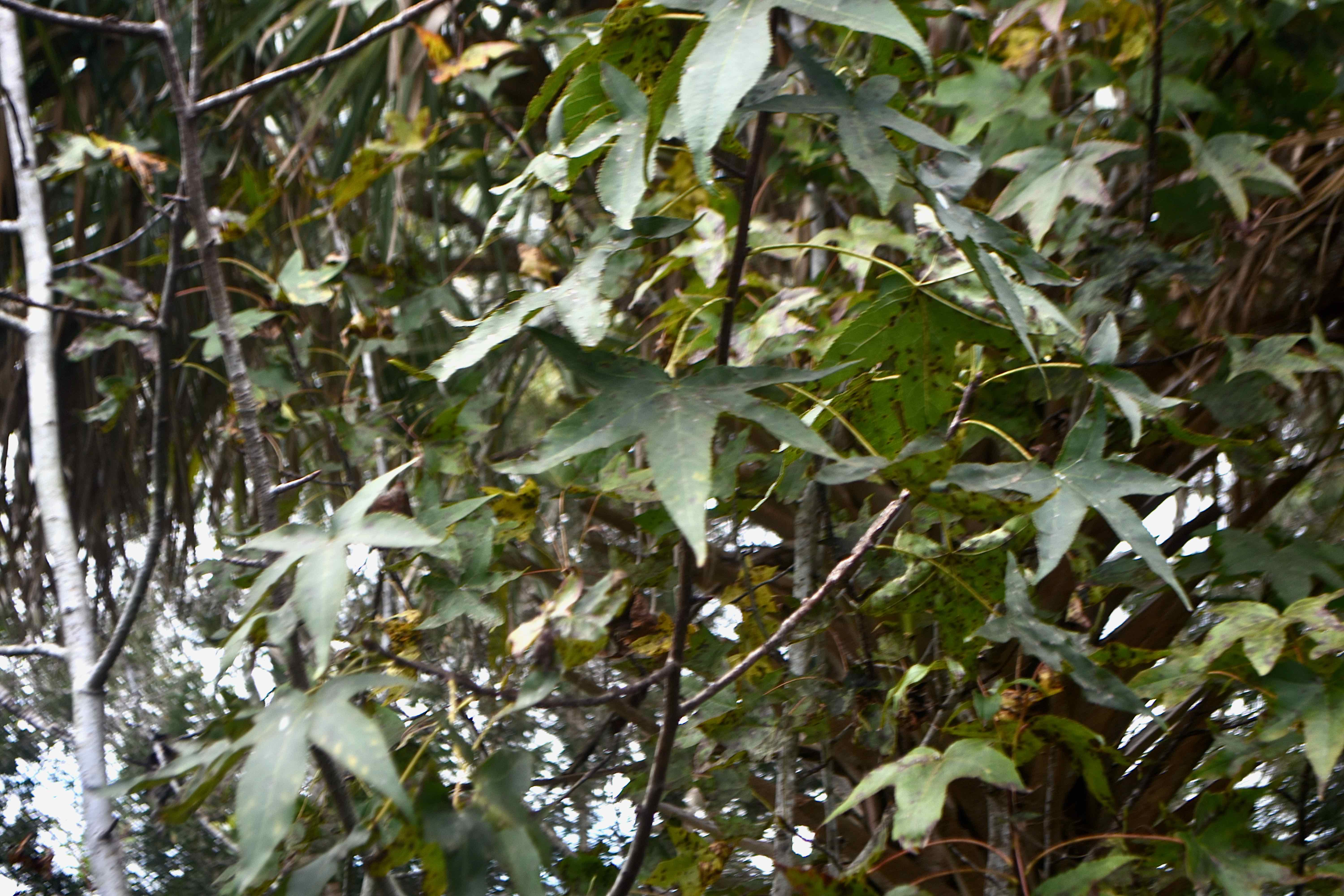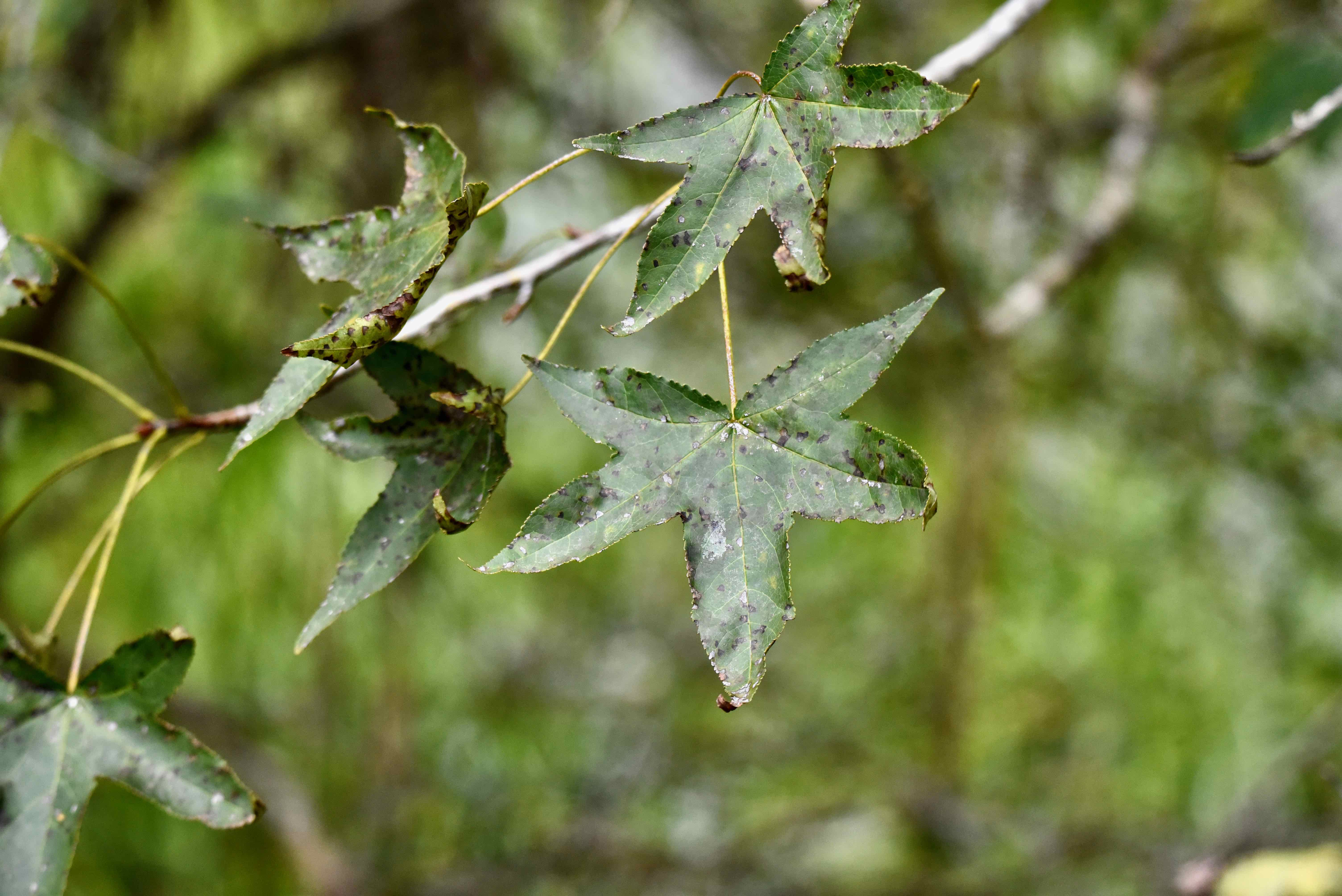
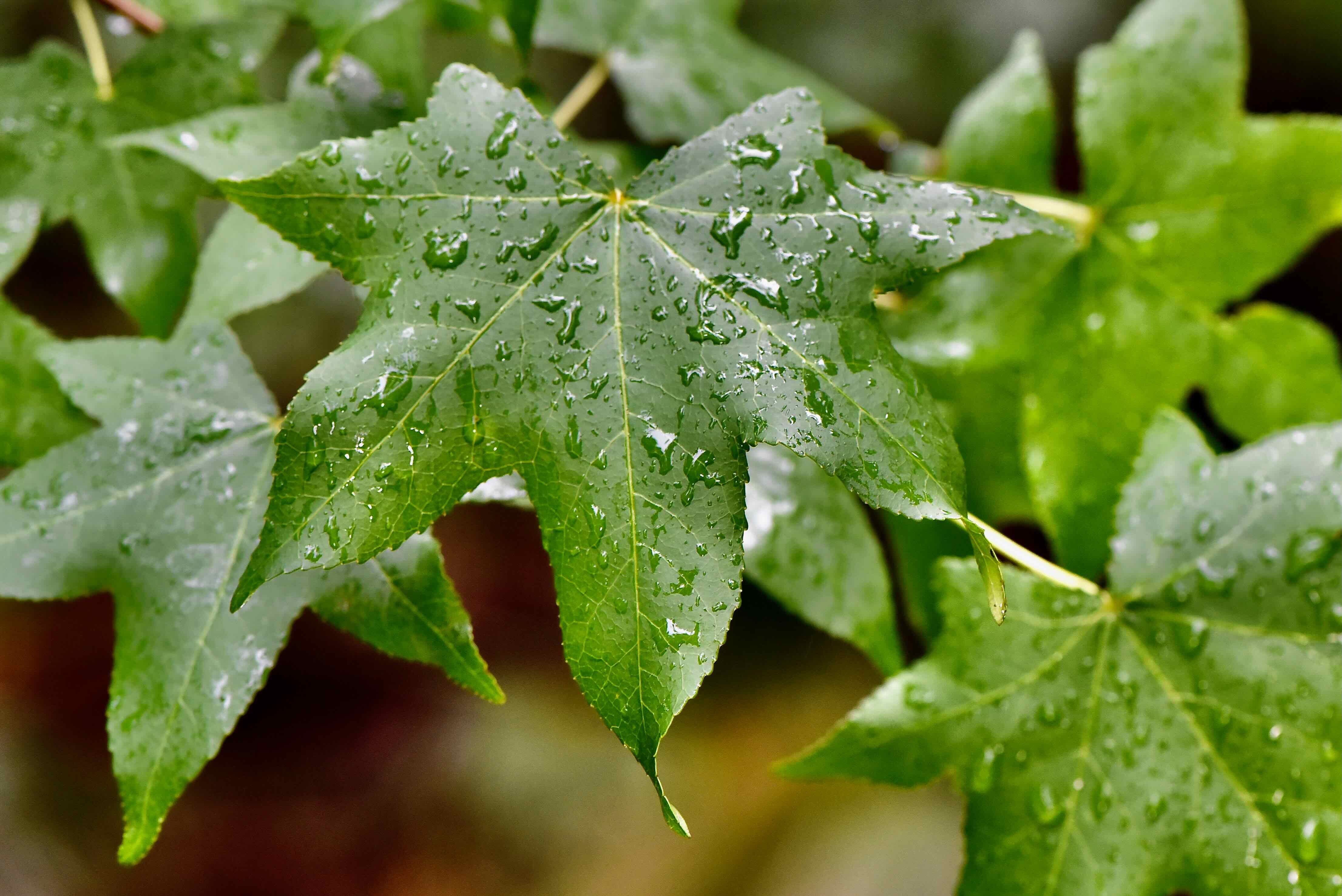
Sweetgum, photographed at Chapel Trail Nature Preserve, Pembroke Pines, Broward County, in November 2021.
Come September, October and November, you might notice the dearth of color in South Florida’s woodlands. Green. Green. Green. Everywhere you look, green. Reds and oranges, not so much.
Sweetgum, Liquidambar styraciflua, is one of the few exceptions. Come cooler weather, it will burst out in an array of reds and purple.
Problem is sweetgum is a rarity in the South Florida landscape. It is native to the area, but so rare, in fact, that the Institute for Regional Conservation believes it became extirpated, or locally extinct. It’s been reintroduced to the region as a landscape tree, and has gotten the slightest bit of a toehold in the region’s parks and preserves.
The IRC counts a grand total of two parks and preserves within South Florida where sweetgum is found: Prairie Creek/Shell Creek in Charlotte County and Six Mile Cypress Slough in Lee.
We’ve found it elsewhere in Broward and Palm Beach counties, but both likely planted.
Sweetgum is a large tree, capable of reaching 60 to 75 feet in the air with an irregular crown 35 to 50 feet across. Its natural range includes much of the eastern and central United States, southward through Mexico and into Central America.
It is more common in central and northern Florida than it is in our part of the state — the photo just below was taken at Blue Spring State Park in Volusia County. Sweetgum is native to Charlotte, Martin and Palm Beach counties in South Florida. Housekeeping note: the IRC includes Charlotte within what it considers South Florida. We do not, though purely for logistical reasons.
Its leaves are the star of the show, you might say, and please pardon the pun. They are star shaped, each with five to seven points, somewhat similar to maple tree leaves, simple and arranged alternately along branches. The margins, or edges, are serrated, or toothed, between four and six inches long and deciduous, meaning the tree drops its leaves.
The flowers are yellow-green, perhaps with a bit of red in them, plain-looking and grow in small round clusters. Trees have both male and female blooms. Sweetgum flowers in the spring.
The flowers give way to hard, brown, globe-shaped and somewhat spiny fruit, which attracts birds, squirrels and other small animals. The fruit will persist on the tree and provide additional visual interest. Sweetgum trees begin to produce seeds between 20 and 30 years old, and can continue at least until they’re 150.
The bark is a gray-brown, and will start becoming becoming deeply furrowed as sweetgum approaches 25 years old. Sweetgum usually has a single trunk; limbs are resistant to breaking, obviously a positive attribute here in hurricane alley.
It typically grows in bottomlands in mixed hardwood forests with red maples and pignut hickories, two trees found in South Florida. It likes places with full sun and soils that won’t constrain its roots.
Native American tribes had multiple uses for sweetgum as both medicine and food. The Cherokee used it to treat diarrhea and dysentery and made a salve to treat wounds, sores and rashes. They made a tea from sweetgum, which they used as a sedative, and not surprisingly given its common name, a gummy candy from the sap. The Rappahannock used hardened sap as a treatment for dogs with distemper.
Sweetgum wood is highly regarded, and used as a plywood veneer.
Sweetgum, with its dense foliage, is used in landscaping as a shade tree. However, it has aggressive roots that can be a problem if used as a street tree. The dropped leaves and fruit can be on the messy side.
It doesn't take an expert in ancient languages to figure out the meaning of Liquidambar: liquid amber, a reference to its resin. However, Styraciflua isn't quite as obvious. It breaks down into the Latin Styrax, meaning aromatic, and fluens, meaning flowing. Flowing aromatic resin.
Other common names include redgum, sapgum, starleaf-gum and bilsted. It is a member of Altingiaceae, the sweetgum family. Some texts put it in Hamamelidaceae the witch-hazel family, but that is not accepted by the taxonomic powers that be.
Chapel Trail Nature Preserve
Photo Gallery — Click on photo for larger image