Overview: Finding a piece of Florida exactly as it was when the first Europeans stepped foot on its shores is probably a forelorn hope. Even the most pristine places have plants and animals living within their confines that aren't supposed to be there. Corkscrew Swamp Sanctuary, however, comes pretty darn close. It is large, and it is wild. It is a place where the age of trees is measured in centuries rather than mere decades.
Corkscrew is unusual in several regards. For one, it is privately owned, operated by the National Audubon Society. It covers 13,000 acres, including 700 acres of bald cypress swamp, the largest stand of virgin bald cypress forest in the world. It is home to the largest nesting colony of wood storks in the U.S. It also provides habitat for a number of endangered plants and animals, including the Florida panther, gopher tortoise, Big Cypress fox squirrel, Florida black bear and the ghost orchid.
History: The Audubon Society's ties to Corkscrew Swamp date back to 1913 when it hired a warden to protect wading birds from hunters seeking to bag them for their feathers. In 1954, near the end of Florida's cypress logging boom, the Audubon Society bought 5,000 acres of old-growth cypress swamp to preserve the habitat. Two years later, it open the first boardwalk through the swamp. Audubon continued buying up land until the preserve reached its present 13,000 acres.
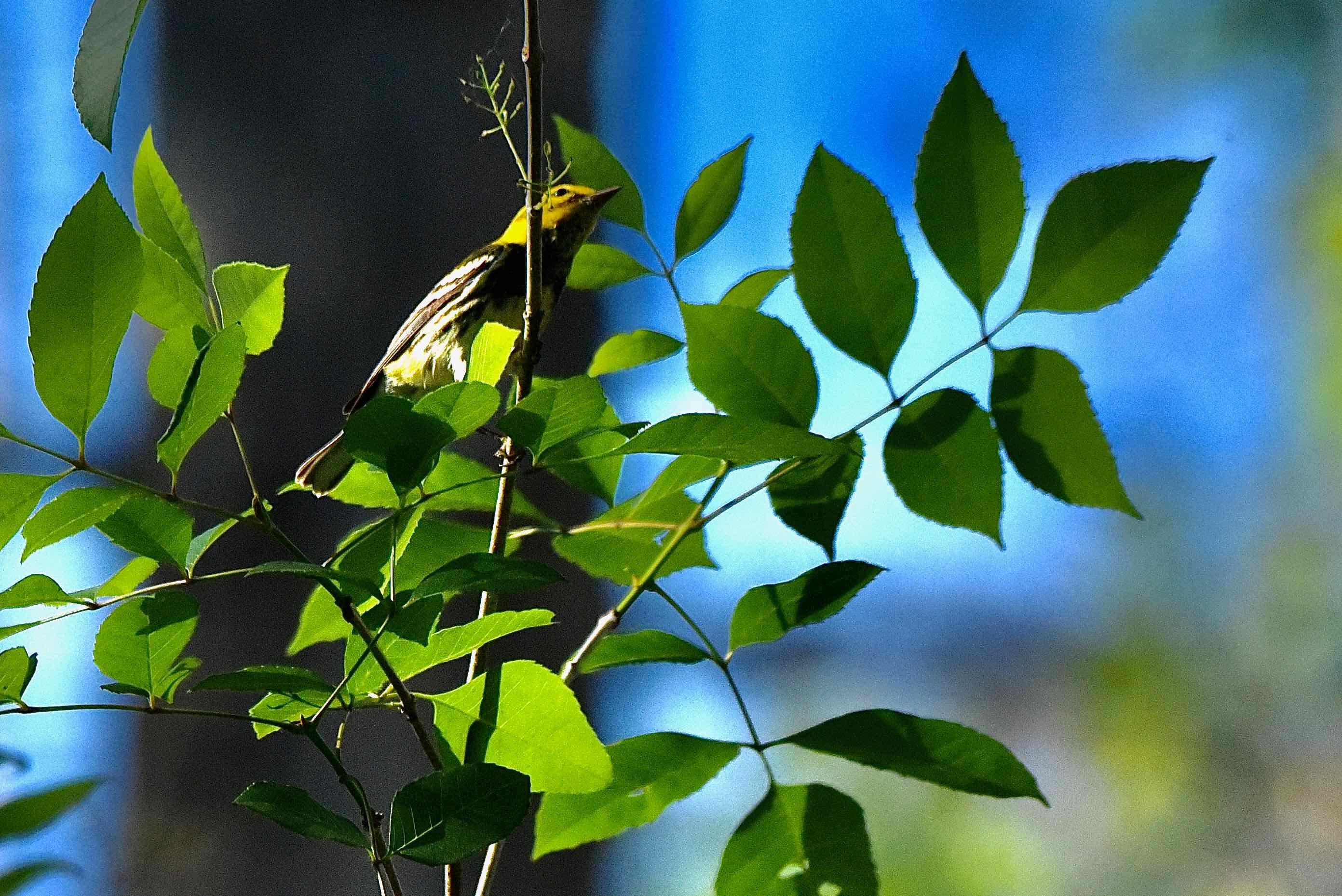
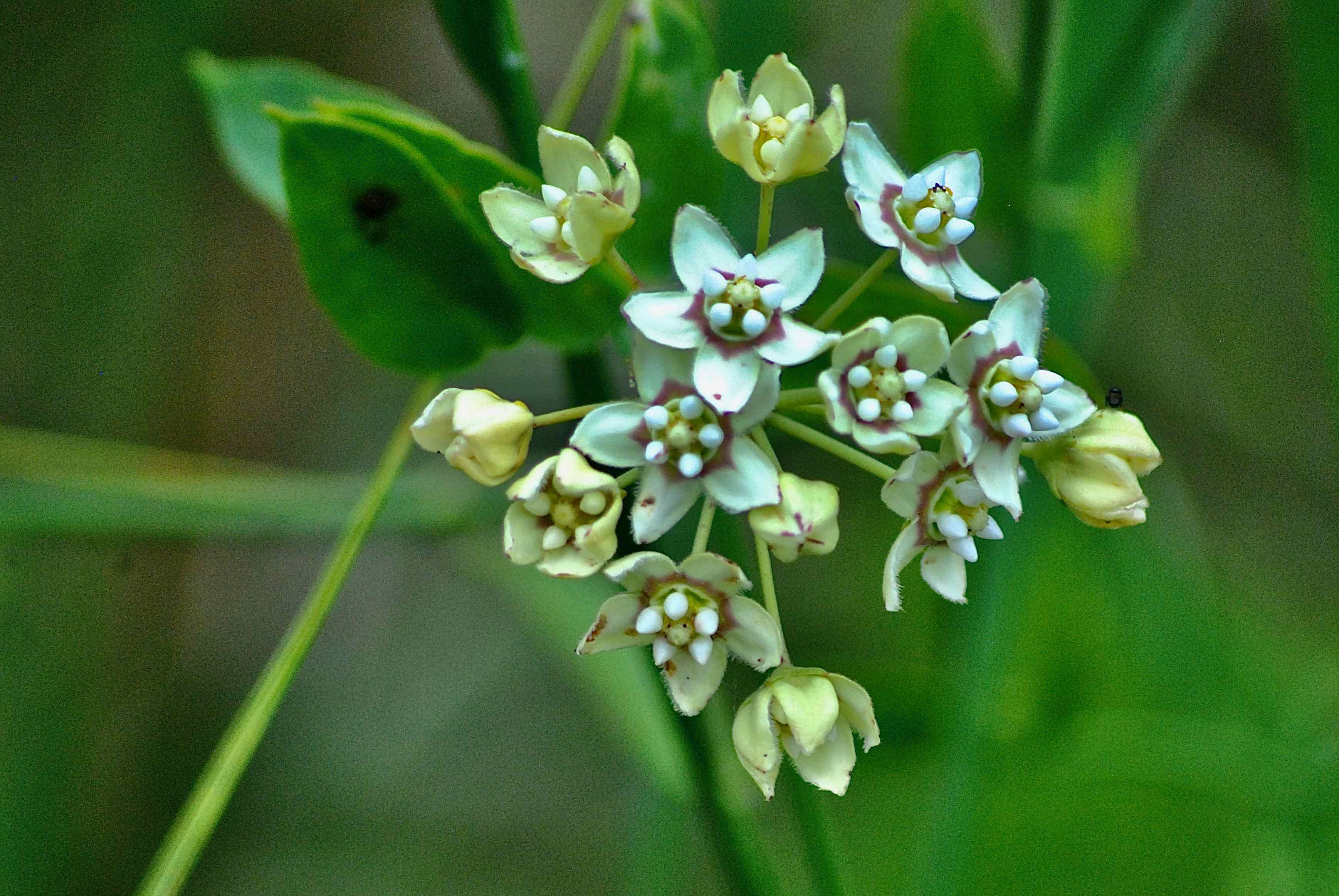
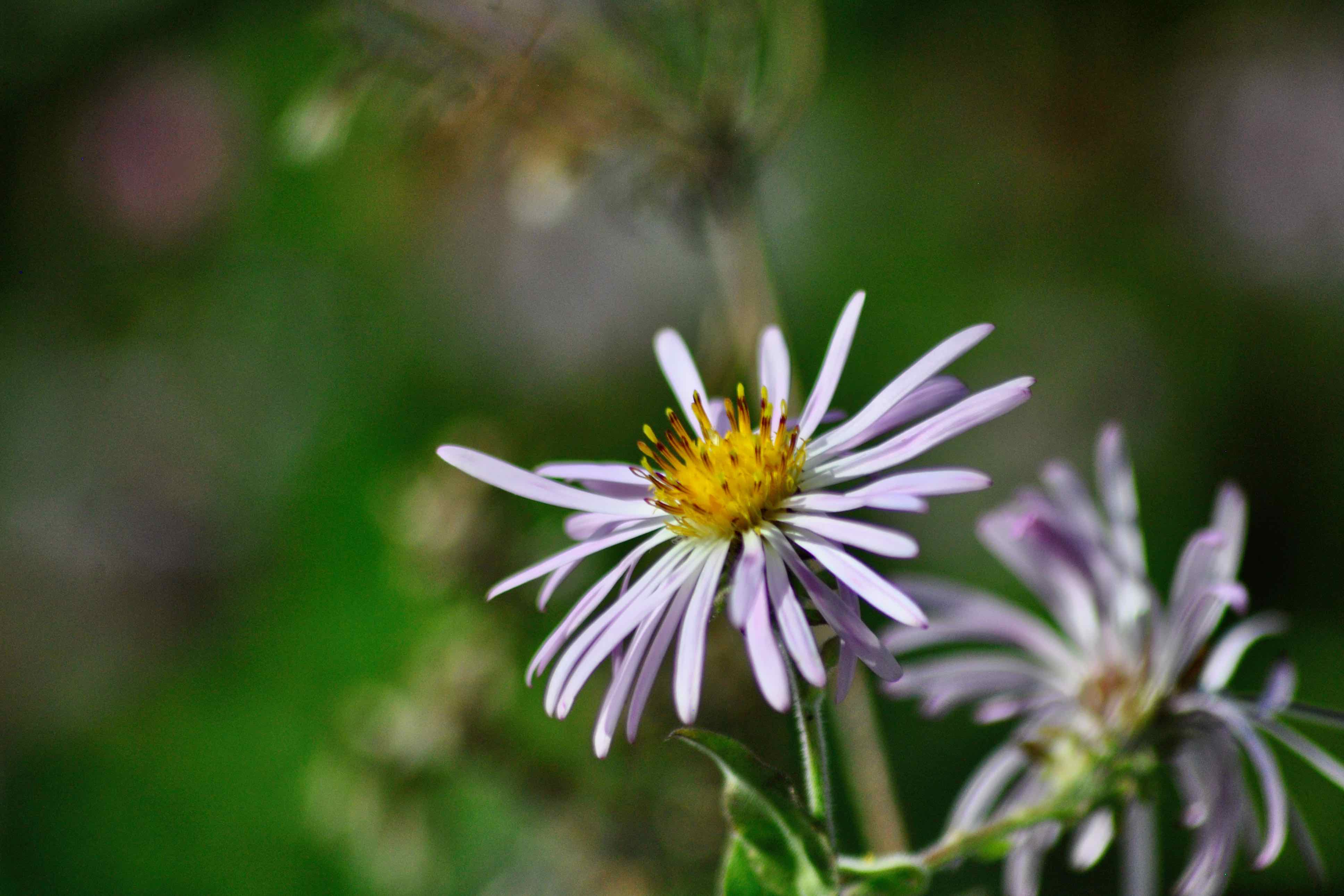
What You'll See: By the numbers: more than 700 species of plants, 29 of which are listed as endangered. Seven distinct habitats, including bald cypress swamp, pond cypress swamp, wet prairie, pine flatwoods, marsh, lettuce lakes and oak hammock.
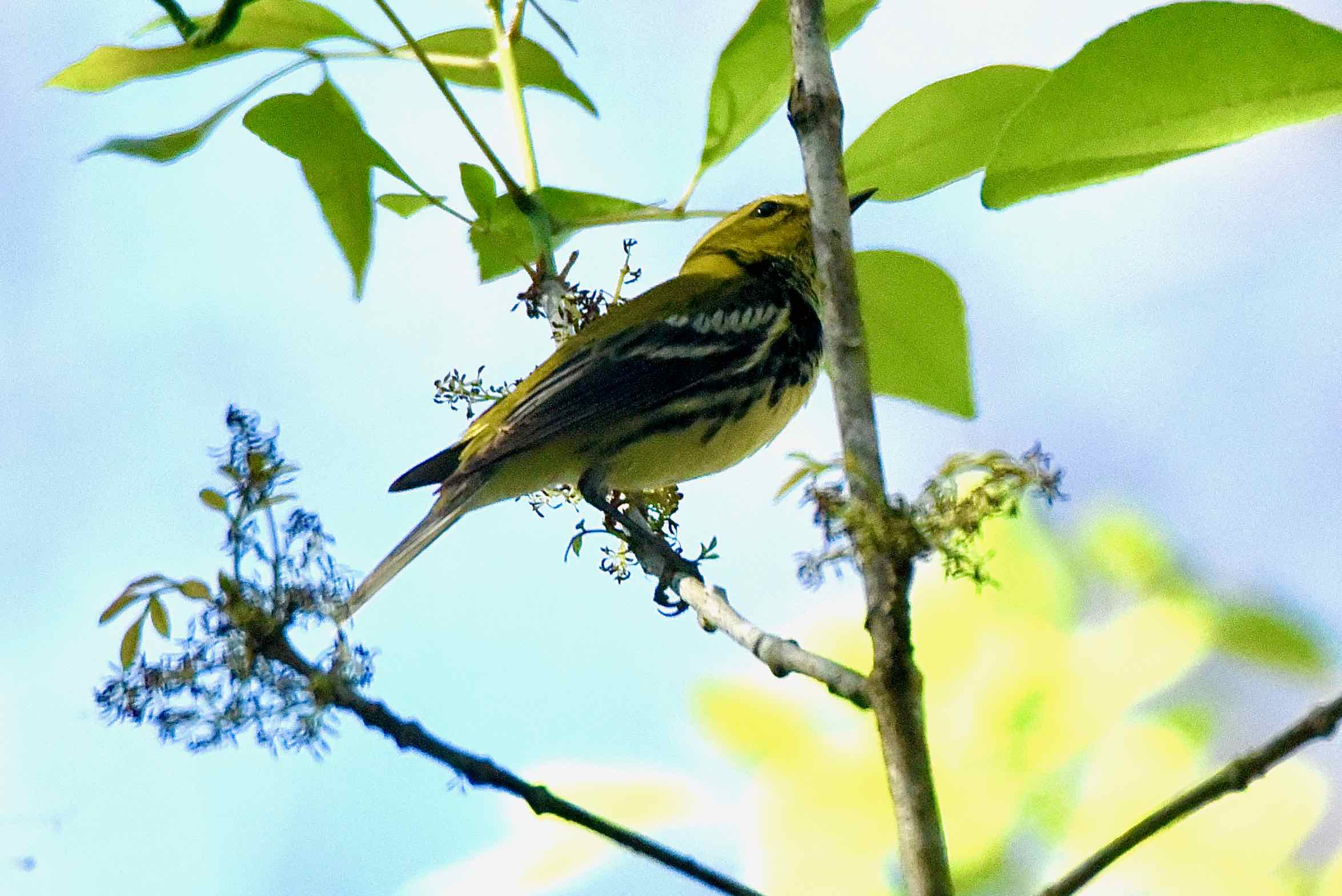
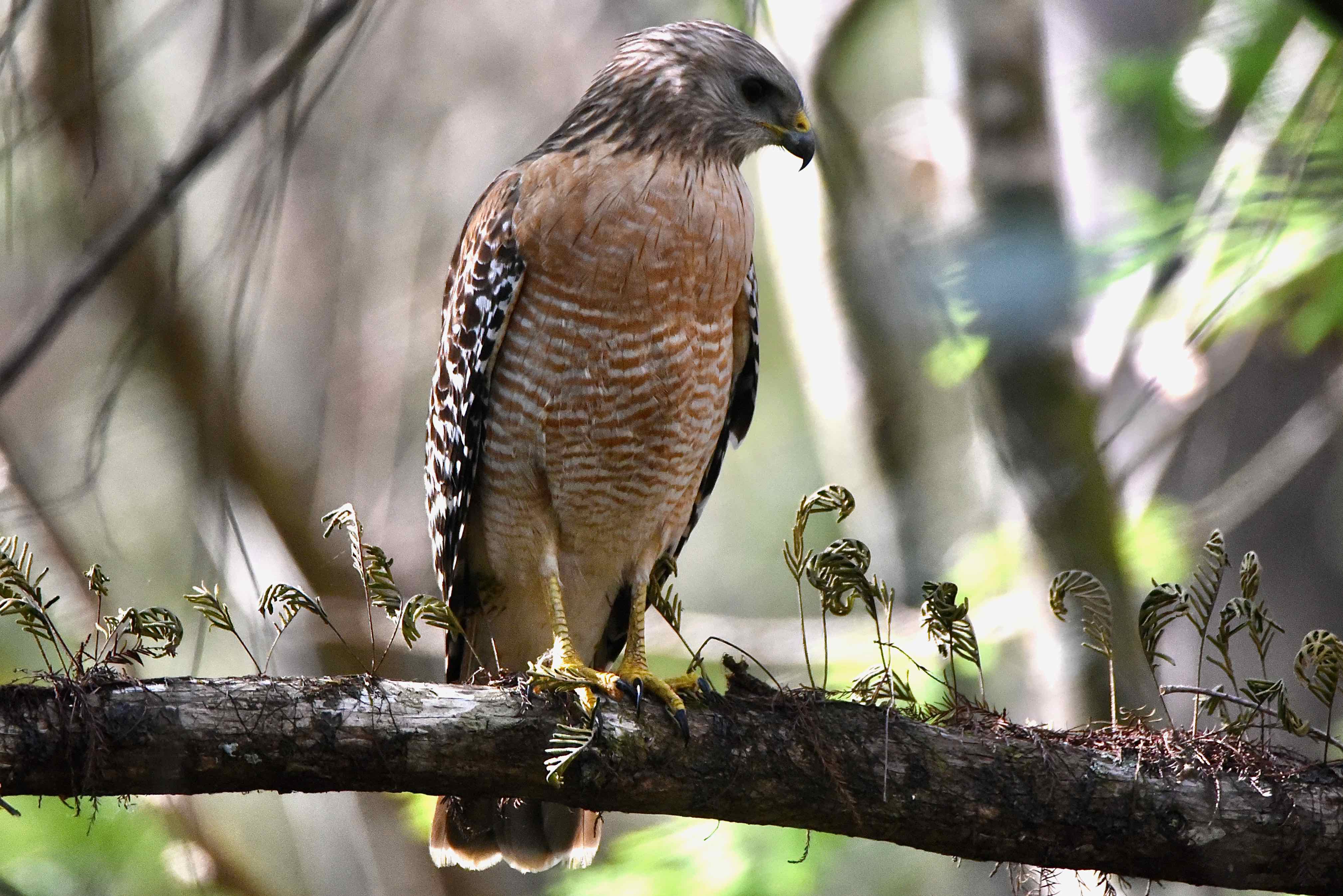
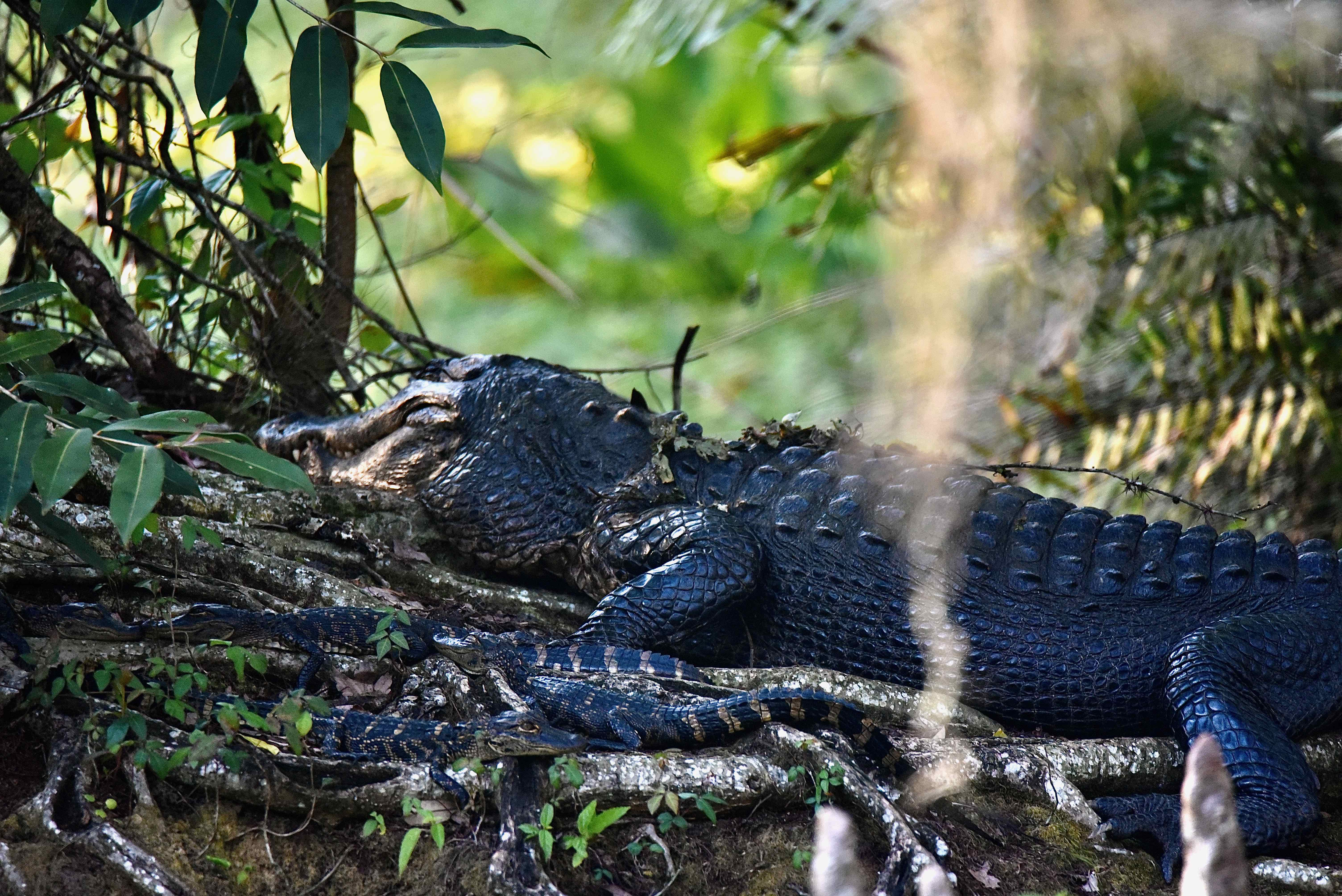
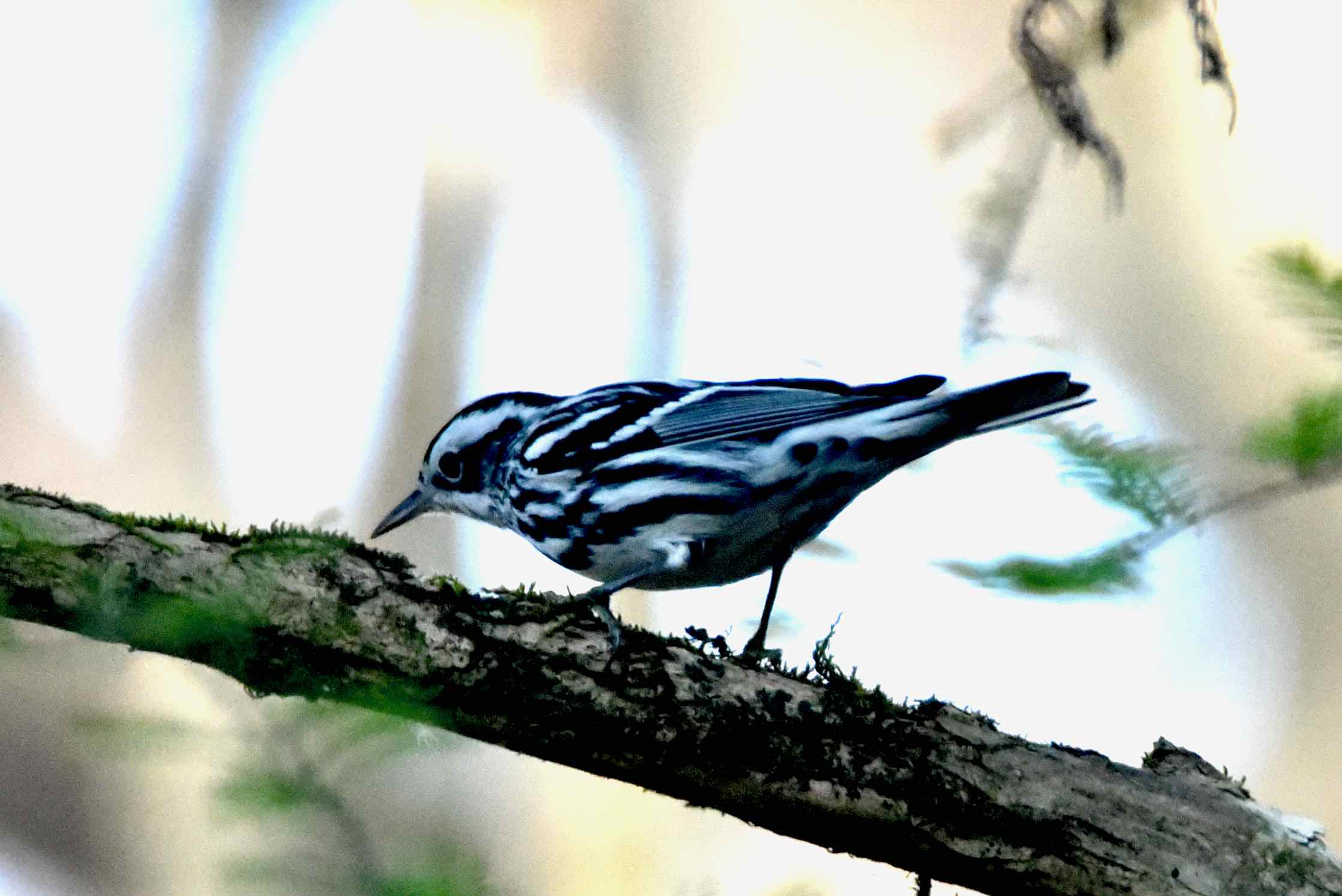
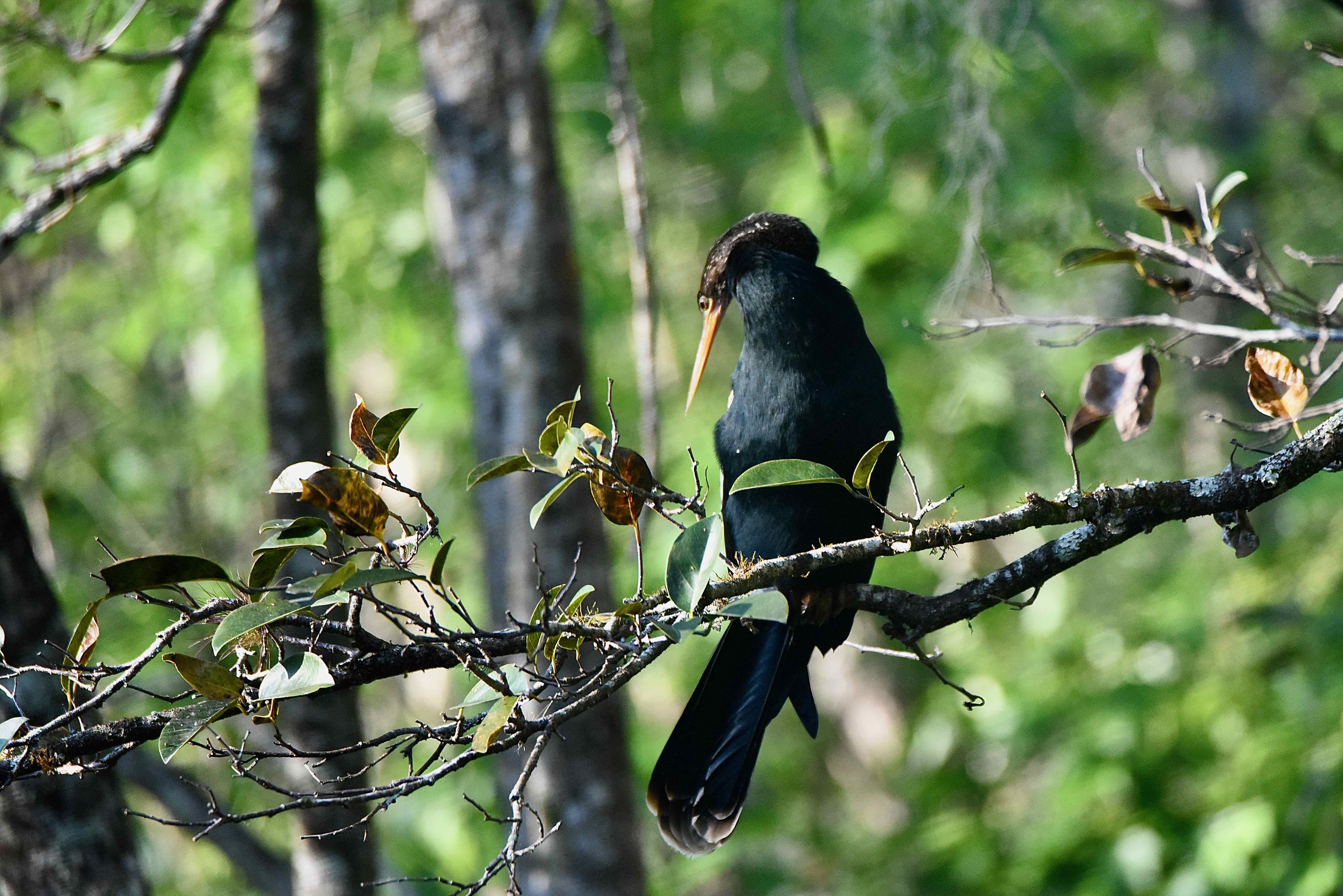
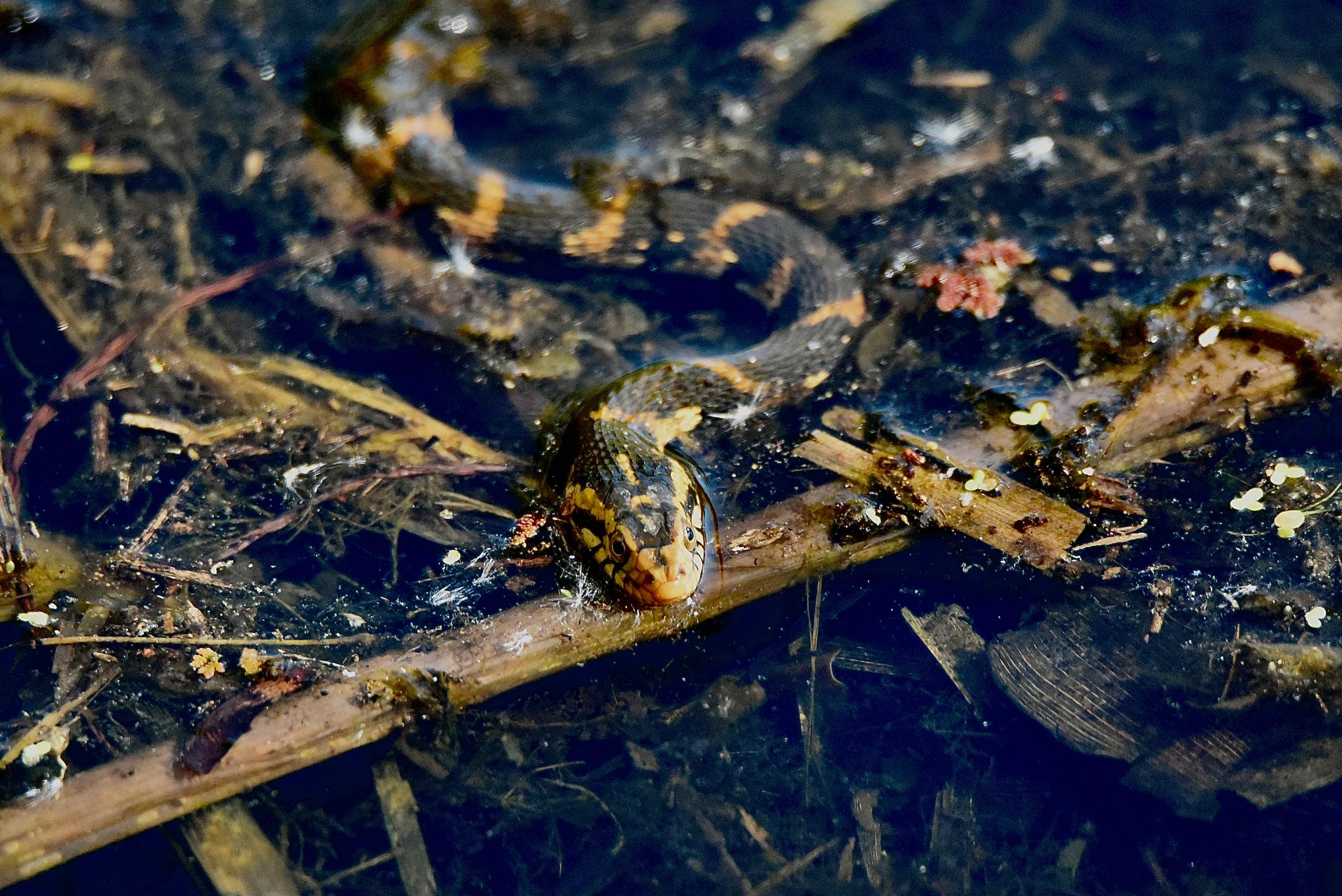
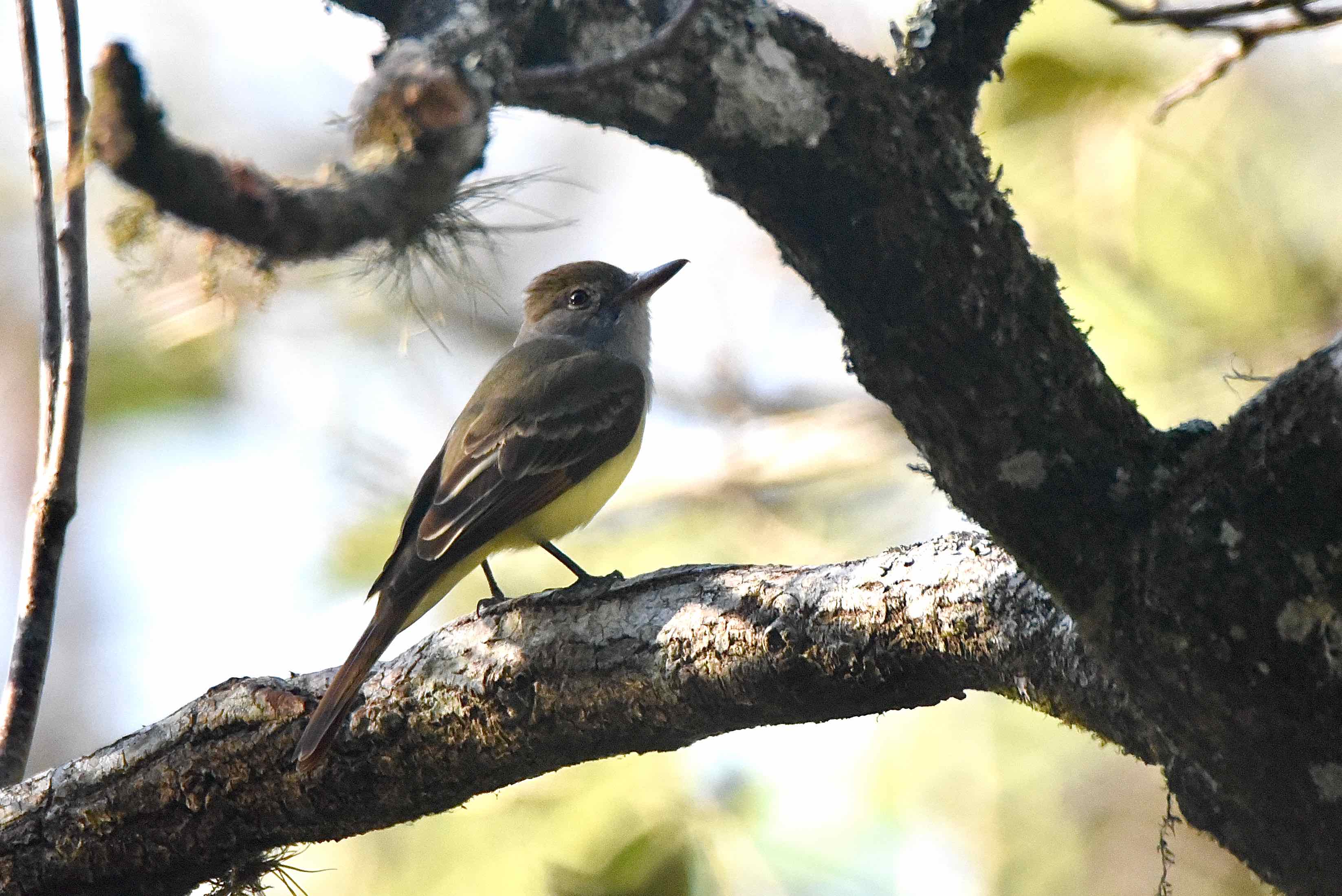
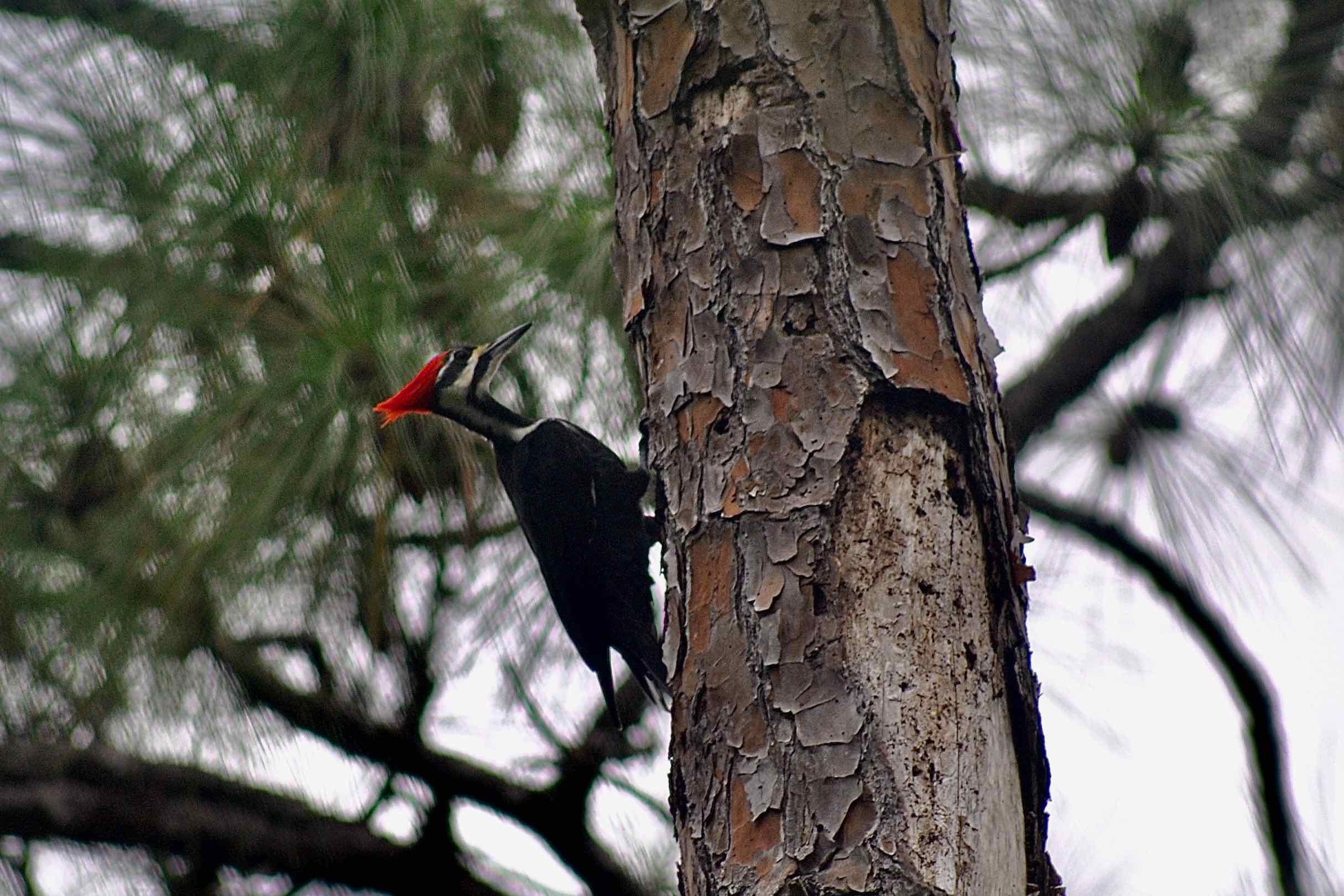
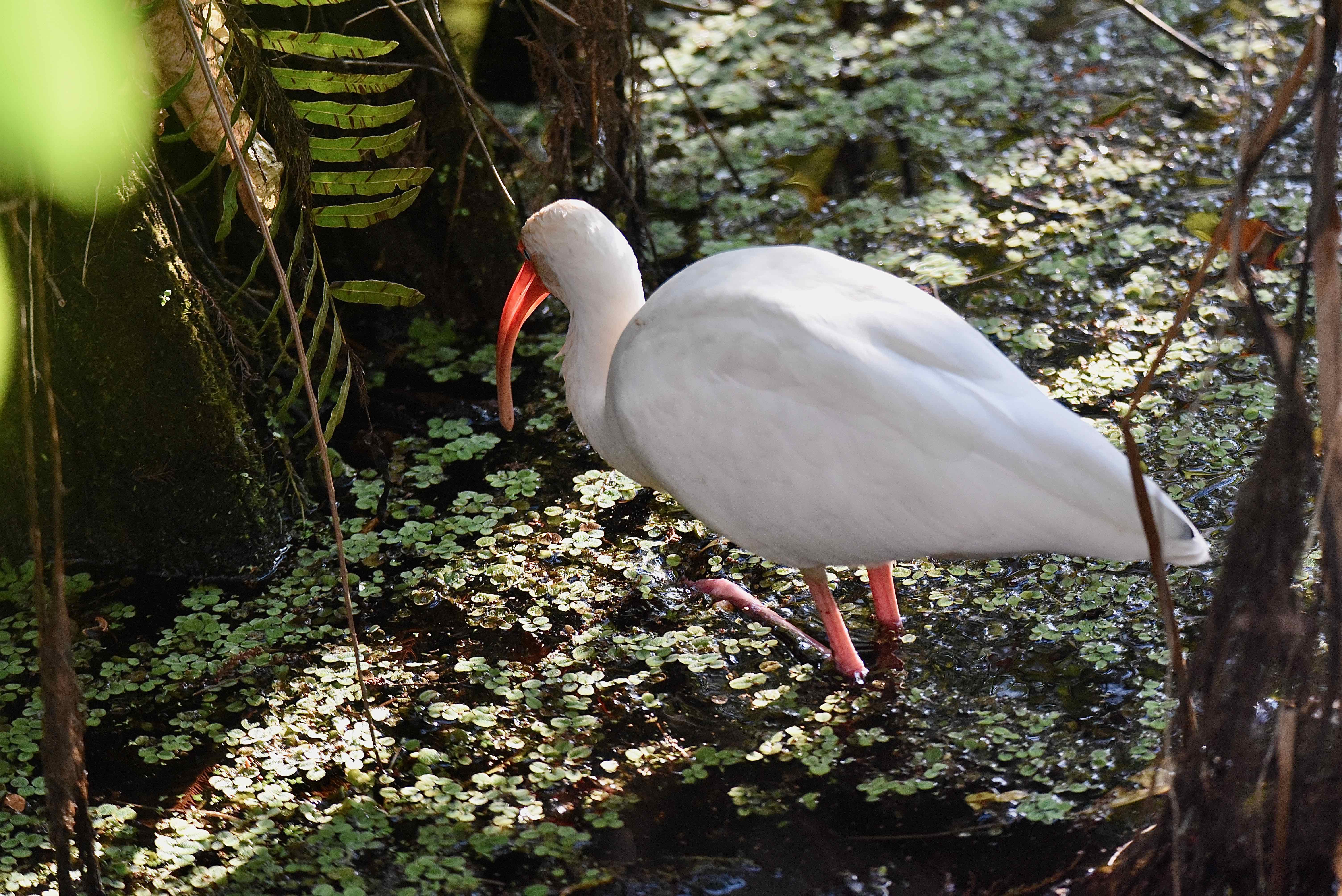
It's the kind of place where you might encounter pretty near every type of creature Florida has to offer. It is a gem among gems.
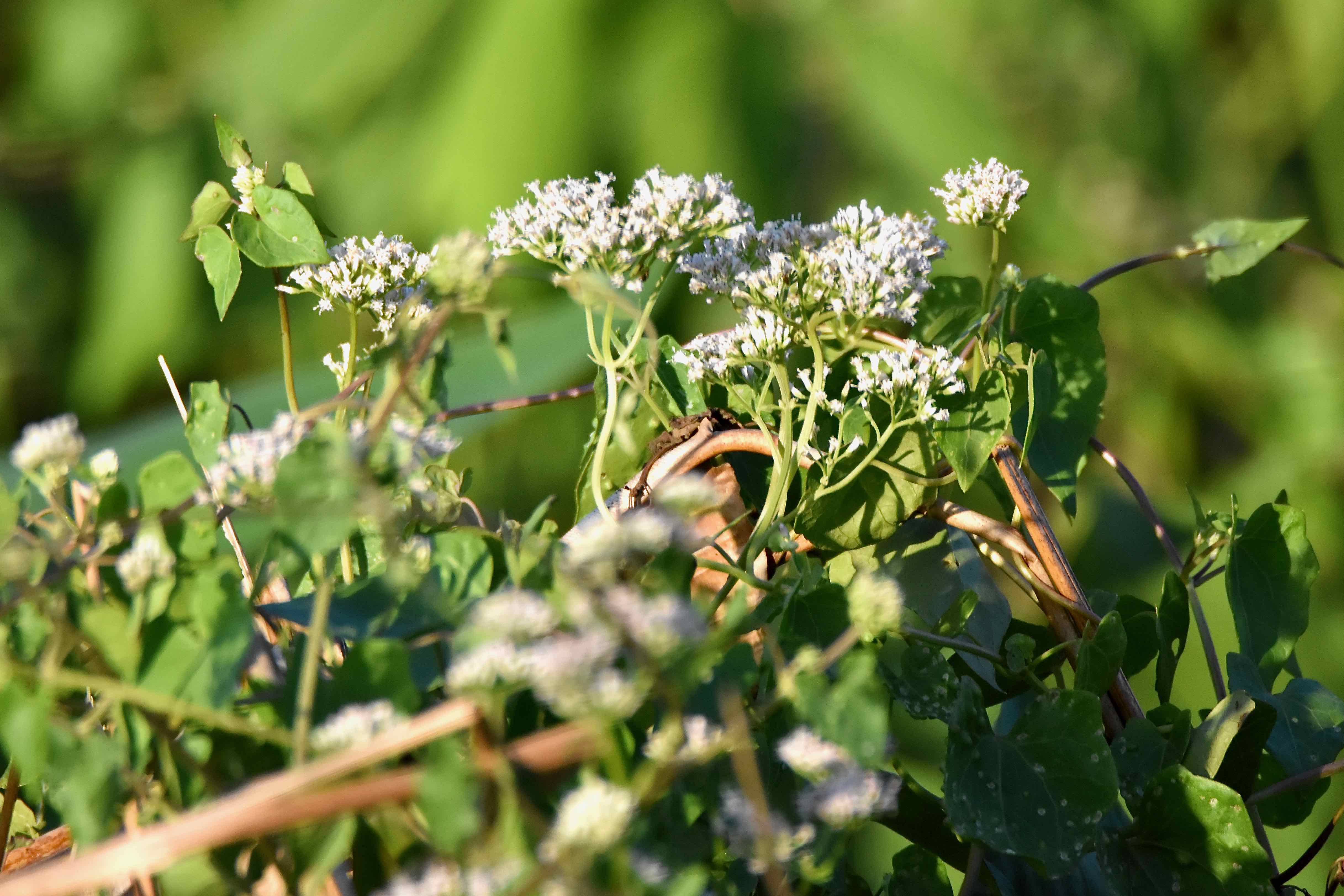
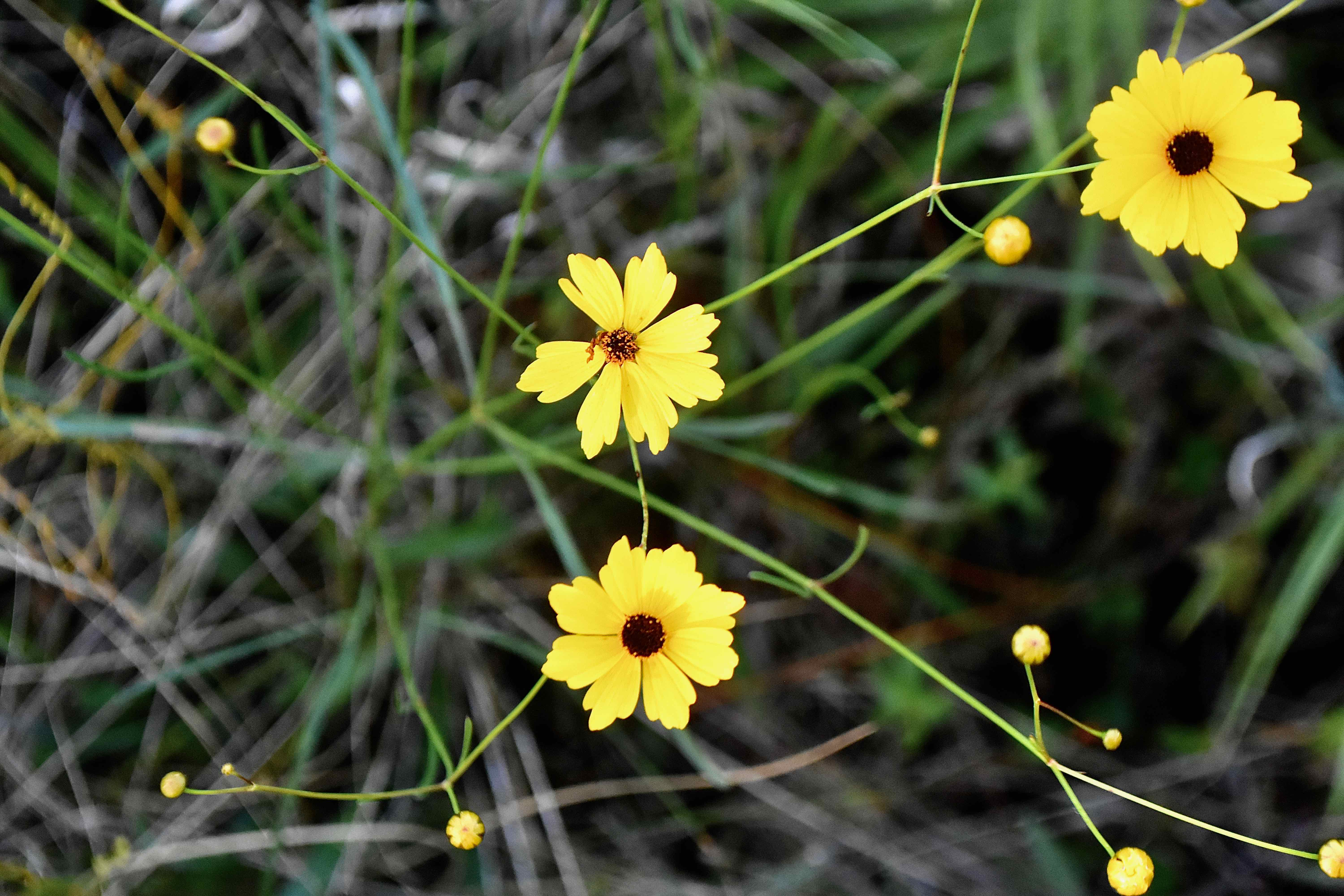
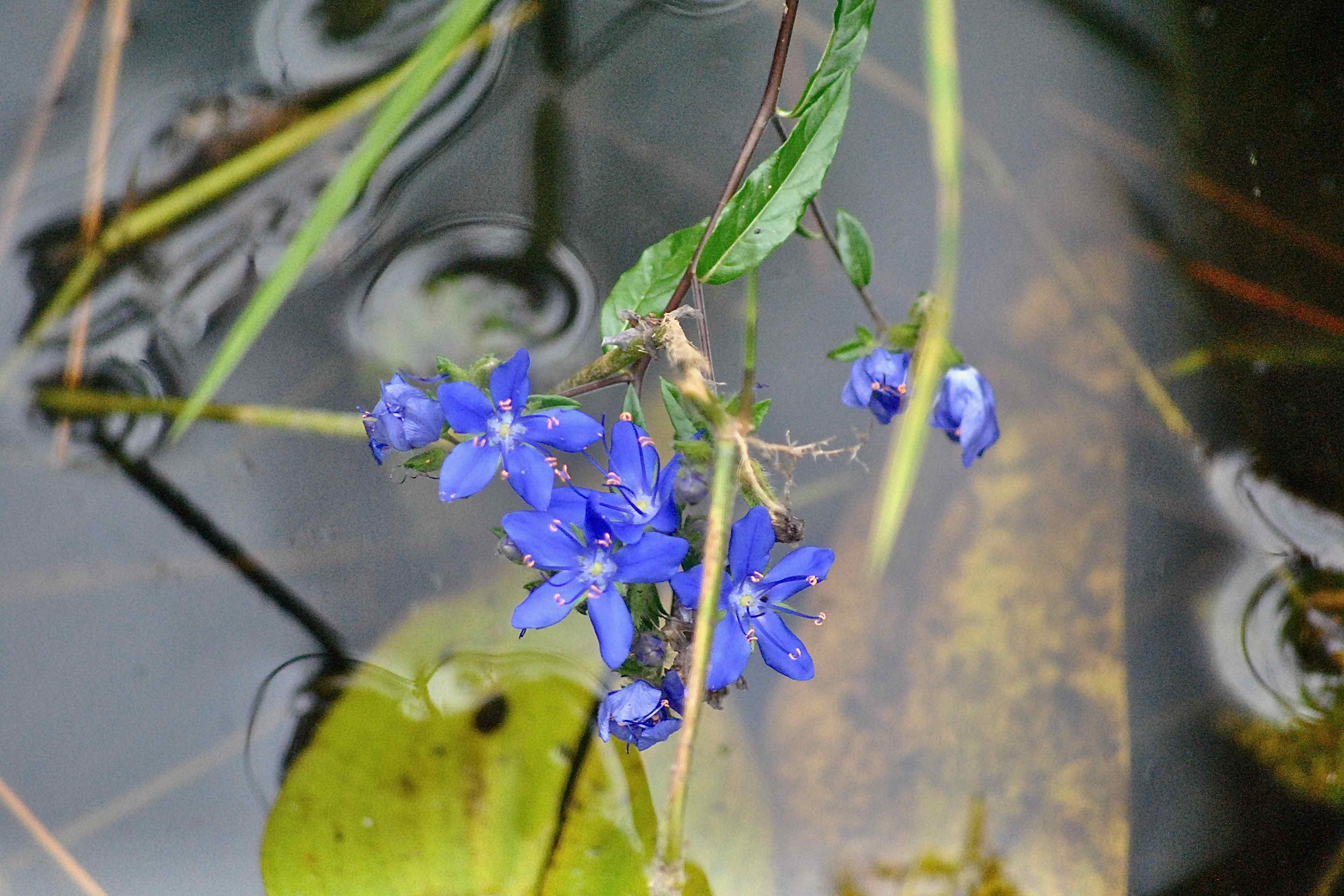
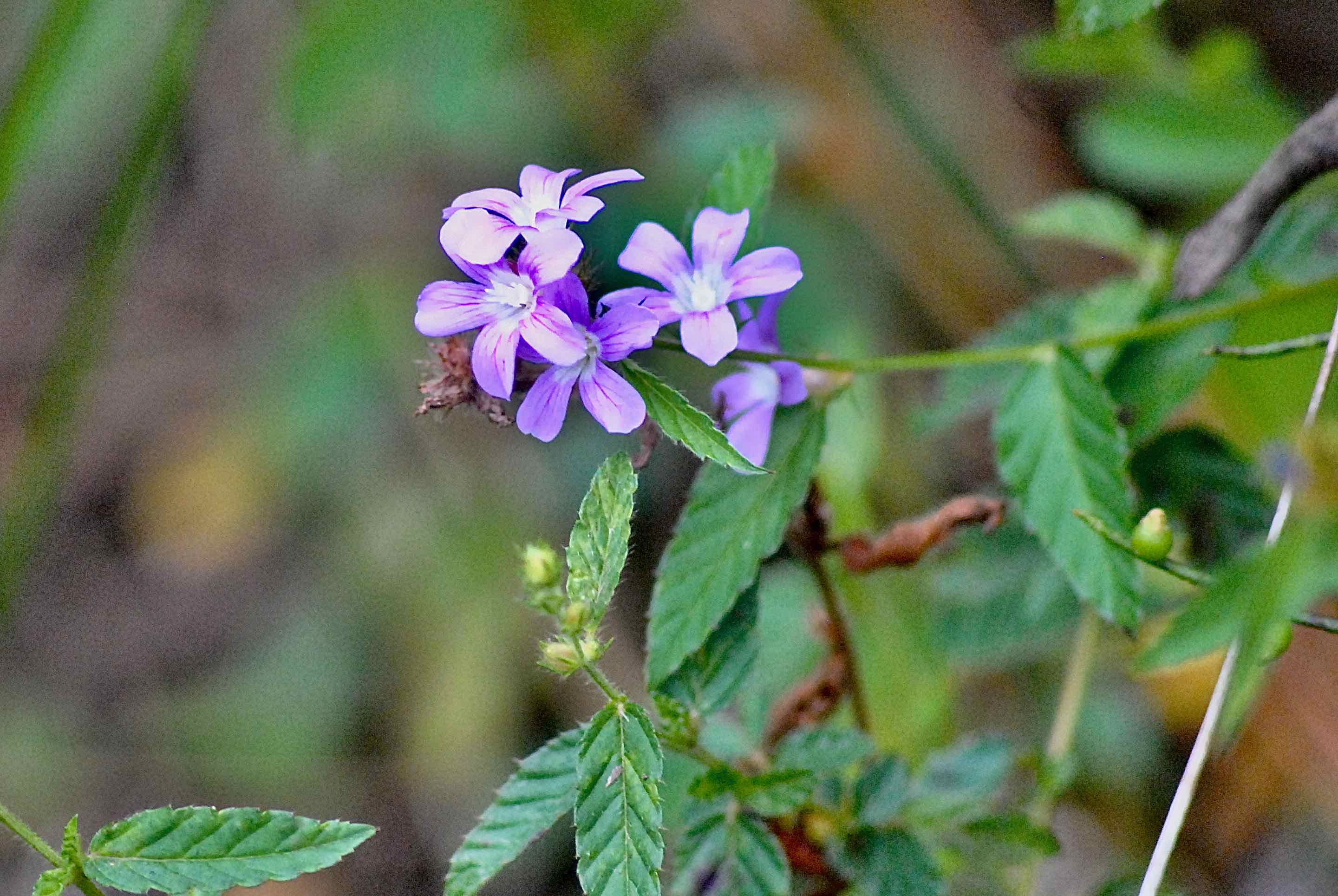
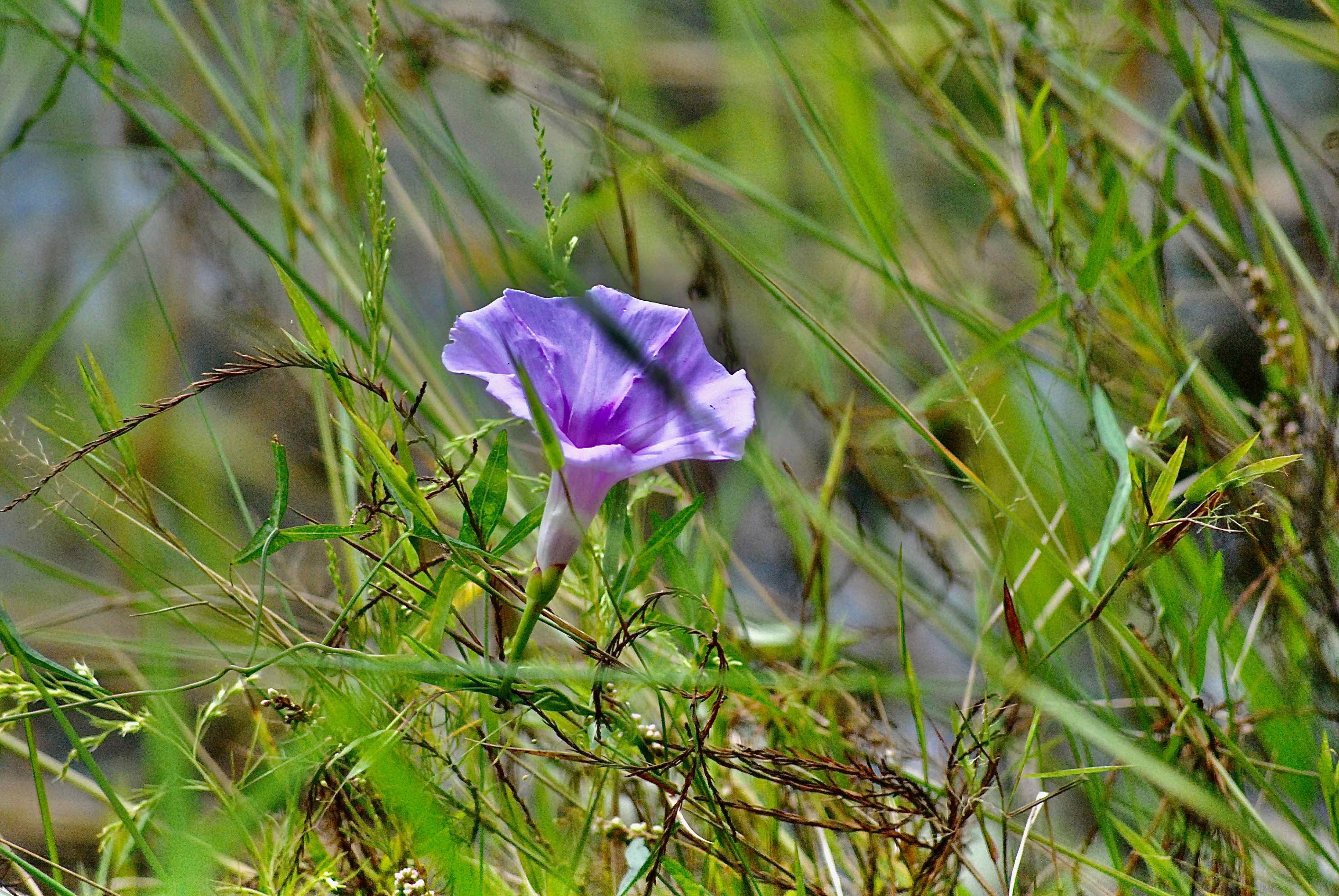
We've been there during the warmer months; we've been there in cooler months. Like any place, what you'll see will vary with the season. In the cooler months, Corkscrew reveals more of itself as the cypress drops their needles and other vegetation dies back. Birds are easier to spot. In the warmer months, vegetation shrouds much of Corkscrew, but more wildflowers will be in bloom.
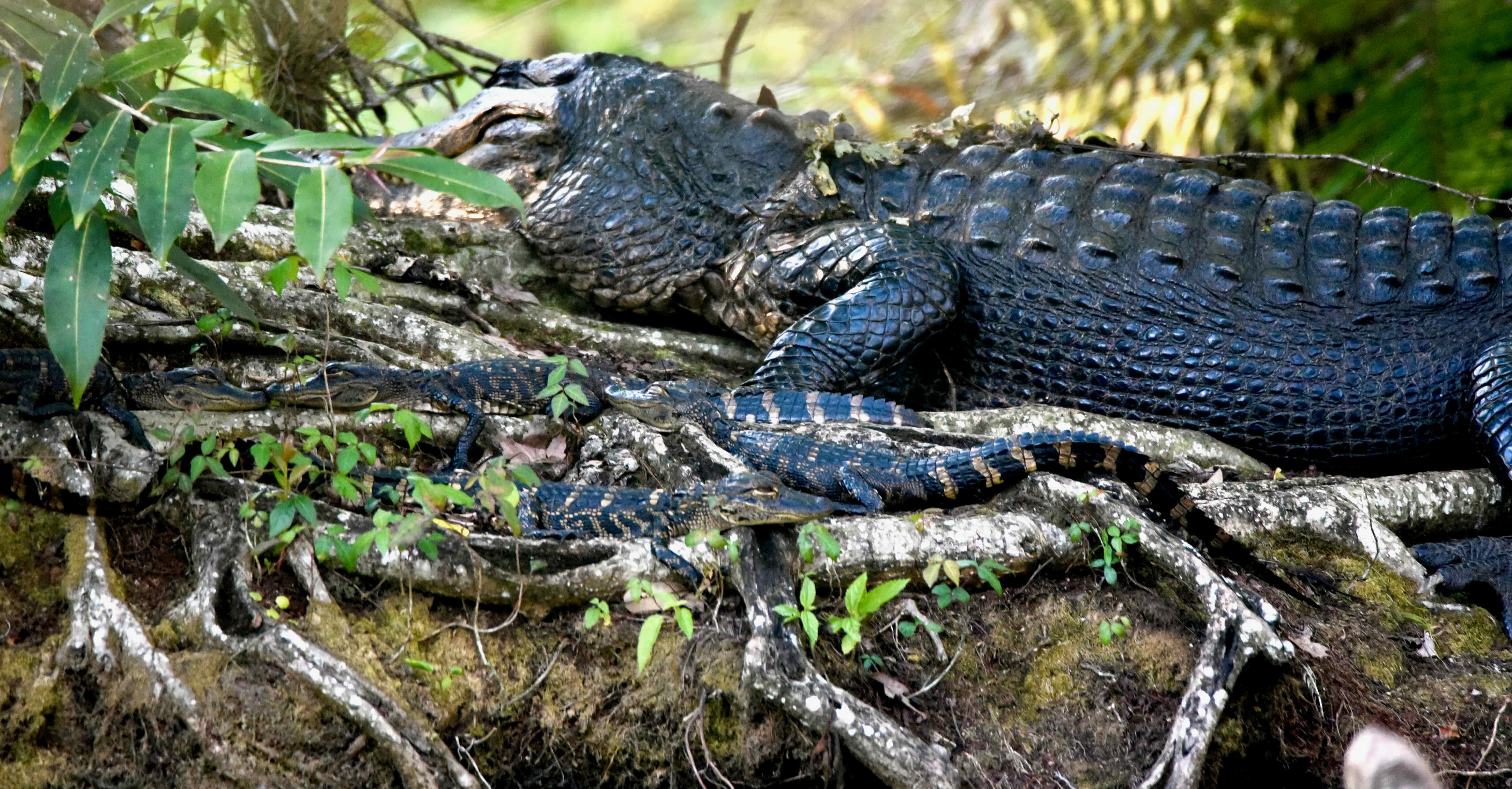
Amenities: The boardwalk is 2.25 miles, and wanders through a variety of wet habitats — swamp, marsh, cypress forest and wet prairie. The boardwalk is well elevated, but encounters with a few animals are possible. Corkscrew also has a shop, interpretive center and café.
Of Note: Corkscrew is open every day of the year, but operating hours may vary depending on the season. General Admission as of February 2024: $17 for adults. Check the website, link above, for full details. It is advised that visitors buy tickets online in advance; Walkups can buy tickets at the center, but admissions are limited, and it is possible that Corkscrew is sold out. Plan at least two hours, preferably longer, for your visit.
Links: For a PDF map of Corkscrew, click here. For a list of plants found in Corkscrew Swamp Sanctuary, check the Institute for Regional Conservation. For information on birding, check the Great Florida Birding Trail. Take our Virtual Tour.
Corkscrew is unusual in several regards. For one, it is privately owned, operated by the National Audubon Society. It covers 13,000 acres, including 700 acres of bald cypress swamp, the largest stand of virgin bald cypress forest in the world. It is home to the largest nesting colony of wood storks in the U.S. It also provides habitat for a number of endangered plants and animals, including the Florida panther, gopher tortoise, Big Cypress fox squirrel, Florida black bear and the ghost orchid.
History: The Audubon Society's ties to Corkscrew Swamp date back to 1913 when it hired a warden to protect wading birds from hunters seeking to bag them for their feathers. In 1954, near the end of Florida's cypress logging boom, the Audubon Society bought 5,000 acres of old-growth cypress swamp to preserve the habitat. Two years later, it open the first boardwalk through the swamp. Audubon continued buying up land until the preserve reached its present 13,000 acres.
What You'll See: By the numbers: more than 700 species of plants, 29 of which are listed as endangered. Seven distinct habitats, including bald cypress swamp, pond cypress swamp, wet prairie, pine flatwoods, marsh, lettuce lakes and oak hammock.
It's the kind of place where you might encounter pretty near every type of creature Florida has to offer. It is a gem among gems.
We've been there during the warmer months; we've been there in cooler months. Like any place, what you'll see will vary with the season. In the cooler months, Corkscrew reveals more of itself as the cypress drops their needles and other vegetation dies back. Birds are easier to spot. In the warmer months, vegetation shrouds much of Corkscrew, but more wildflowers will be in bloom.
Amenities: The boardwalk is 2.25 miles, and wanders through a variety of wet habitats — swamp, marsh, cypress forest and wet prairie. The boardwalk is well elevated, but encounters with a few animals are possible. Corkscrew also has a shop, interpretive center and café.
Of Note: Corkscrew is open every day of the year, but operating hours may vary depending on the season. General Admission as of February 2024: $17 for adults. Check the website, link above, for full details. It is advised that visitors buy tickets online in advance; Walkups can buy tickets at the center, but admissions are limited, and it is possible that Corkscrew is sold out. Plan at least two hours, preferably longer, for your visit.
Links: For a PDF map of Corkscrew, click here. For a list of plants found in Corkscrew Swamp Sanctuary, check the Institute for Regional Conservation. For information on birding, check the Great Florida Birding Trail. Take our Virtual Tour.